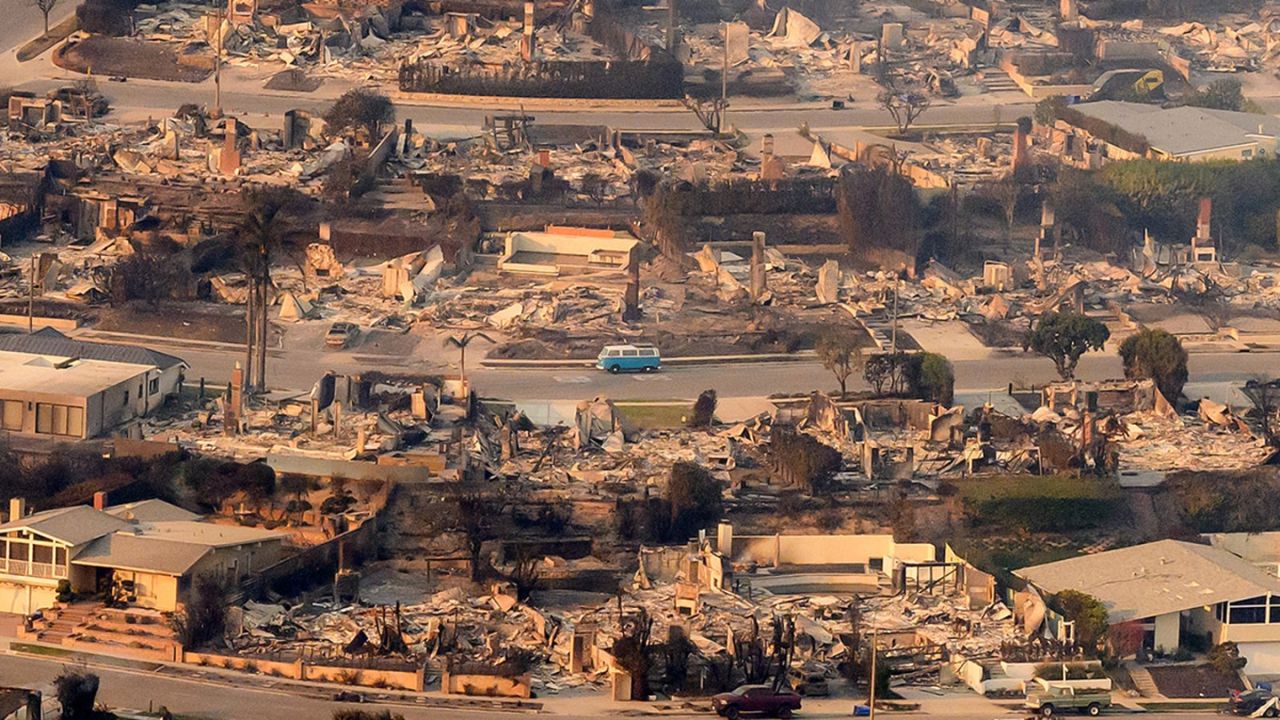
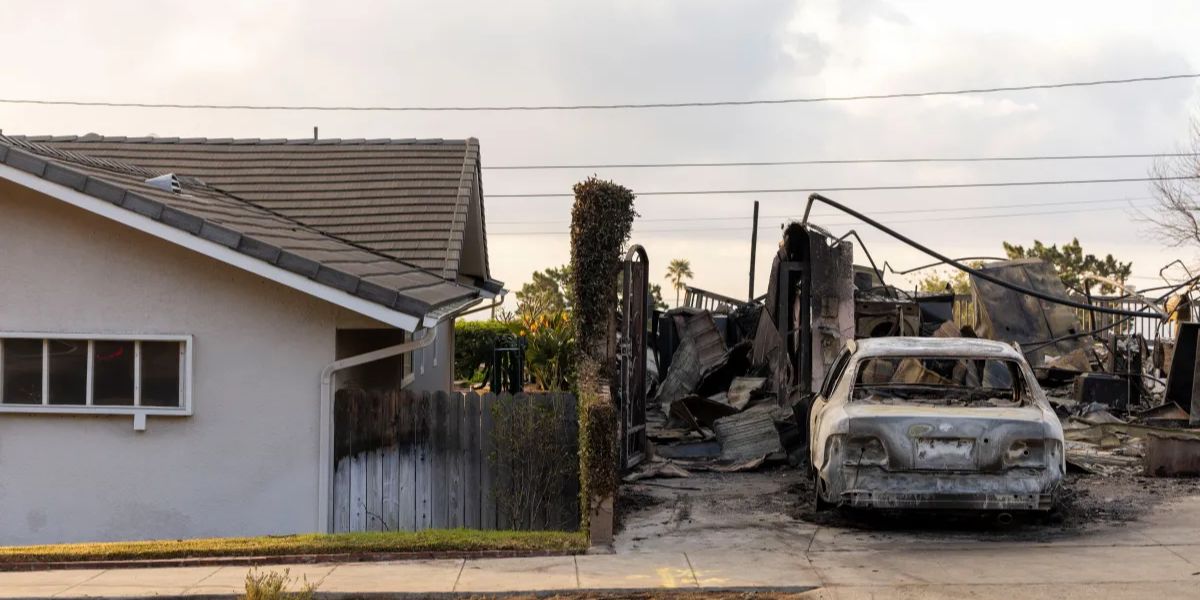
In Southern California, where wildfires are a constant threat, effective strategies for fire prevention and mitigation are essential. One of the most crucial methods for reducing the spread of wildfires is the establishment of community firebreaks. These firebreaks, essentially cleared areas free of vegetation, play a pivotal role in controlling wildfires and protecting the communities at risk, especially in the foothill and hillside areas of Los Angeles.
What Are Community Firebreaks?
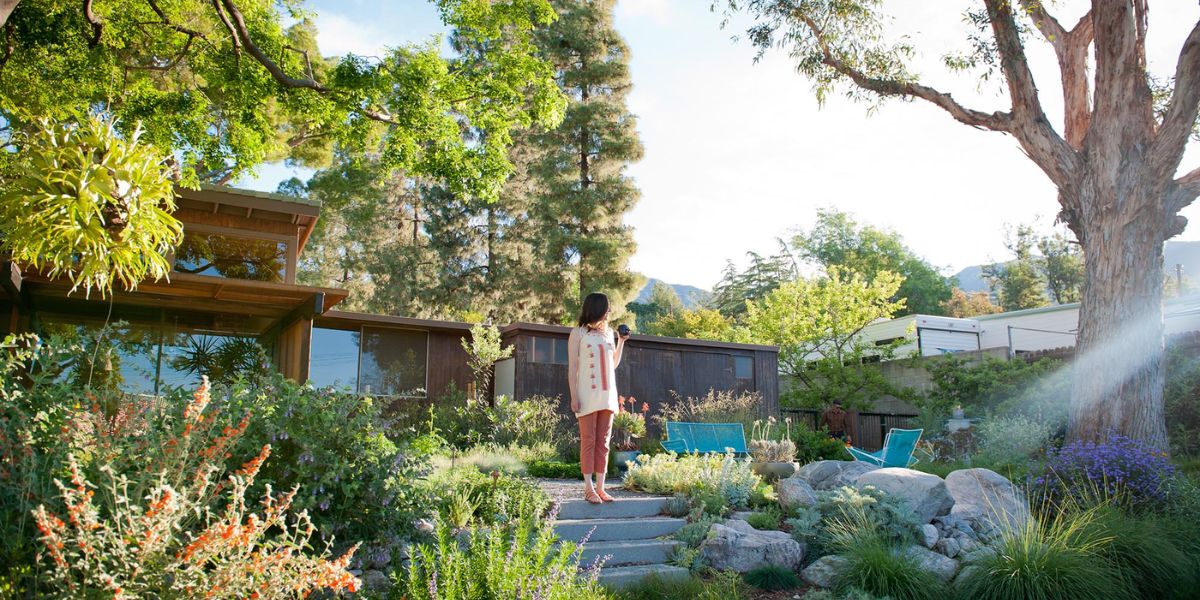
A firebreak is a deliberately cleared or managed area devoid of vegetation that serves as a barrier to slow or stop the spread of wildfires. In the context of Los Angeles, community firebreaks are typically located around residential areas, along roadsides, and in open spaces near forested or wildland-urban interface zones. These zones are highly vulnerable to fire due to their proximity to dense vegetation, which can easily ignite during a wildfire.
Table of Contents
By removing flammable vegetation such as shrubs, trees, and grasses, firebreaks reduce the fuel available for wildfires, thereby slowing their spread and giving fire crews more time to control the blaze. While firebreaks do not completely eliminate the risk of wildfires, they are a highly effective preventive measure, especially when combined with other wildfire mitigation strategies.
How Firebreaks Work in Wildfire Prevention
1. Reducing Fuel for Wildfires
The primary function of a firebreak is to eliminate or reduce the amount of combustible material in the area. When wildfires are fueled by vegetation, they can spread rapidly. A firebreak acts as a barrier by removing this fuel, creating a space where the fire cannot continue. In Los Angeles, especially in the foothill regions, clearing dry grasses, shrubs, and trees along these firebreaks can significantly slow down a fire’s progress.
2. Helping Firefighters Contain Wildfires
Firebreaks are not just protective barriers; they are also strategic tools for firefighters. Firefighters can use these cleared zones as safe zones from which to launch controlled burns or to build containment lines. These lines help them direct the wildfire away from populated areas, critical infrastructure, and sensitive ecosystems. In an emergency, firebreaks give firefighters a fighting chance to control wildfires before they spread too far.
3. Limiting Fire Spread in Urban-Wildland Interface Areas
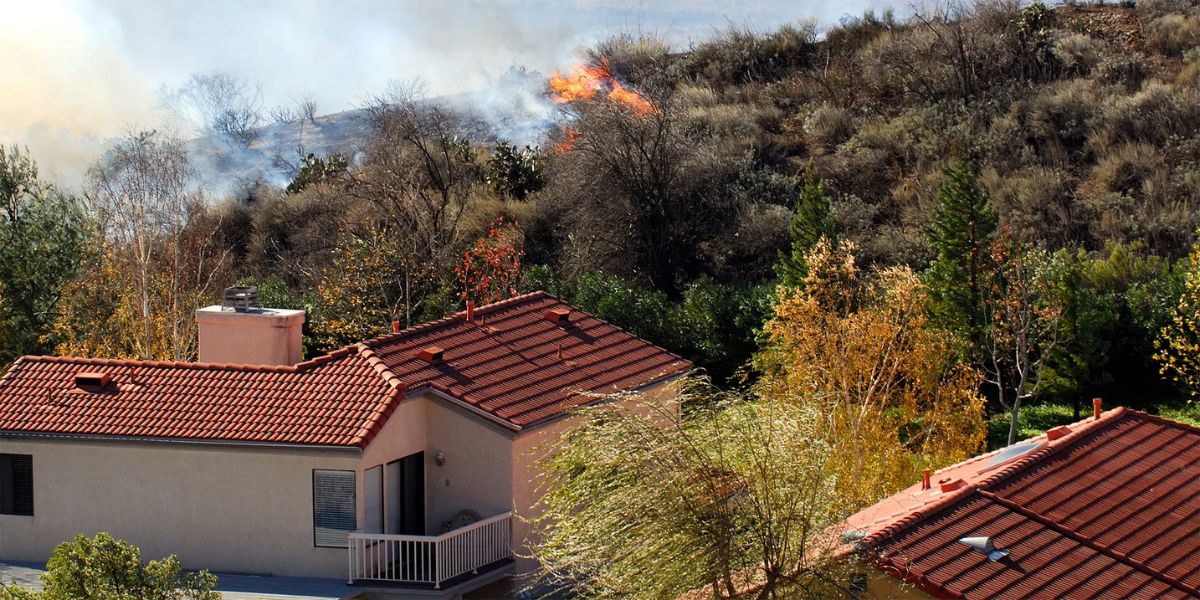
Los Angeles is home to many neighborhoods located near or within wildland areas, making it prone to wildfires that can easily jump from forests and hillsides into residential areas. Firebreaks act as protective buffers between these urban-wildland interface zones, which are among the most vulnerable areas during fire season. By creating clear zones in these at-risk areas, firebreaks help protect thousands of homes from potential destruction.
How LA Communities Benefit from Firebreaks
1. Enhanced Public Safety
For Los Angeles residents living in fire-prone areas, the establishment of community firebreaks means better protection from the devastating impact of wildfires. These firebreaks can slow the spread of flames and prevent wildfires from reaching homes, businesses, and critical infrastructure such as power lines and hospitals. The presence of firebreaks can significantly lower the risk to life and property.
2. Promoting Community Resilience
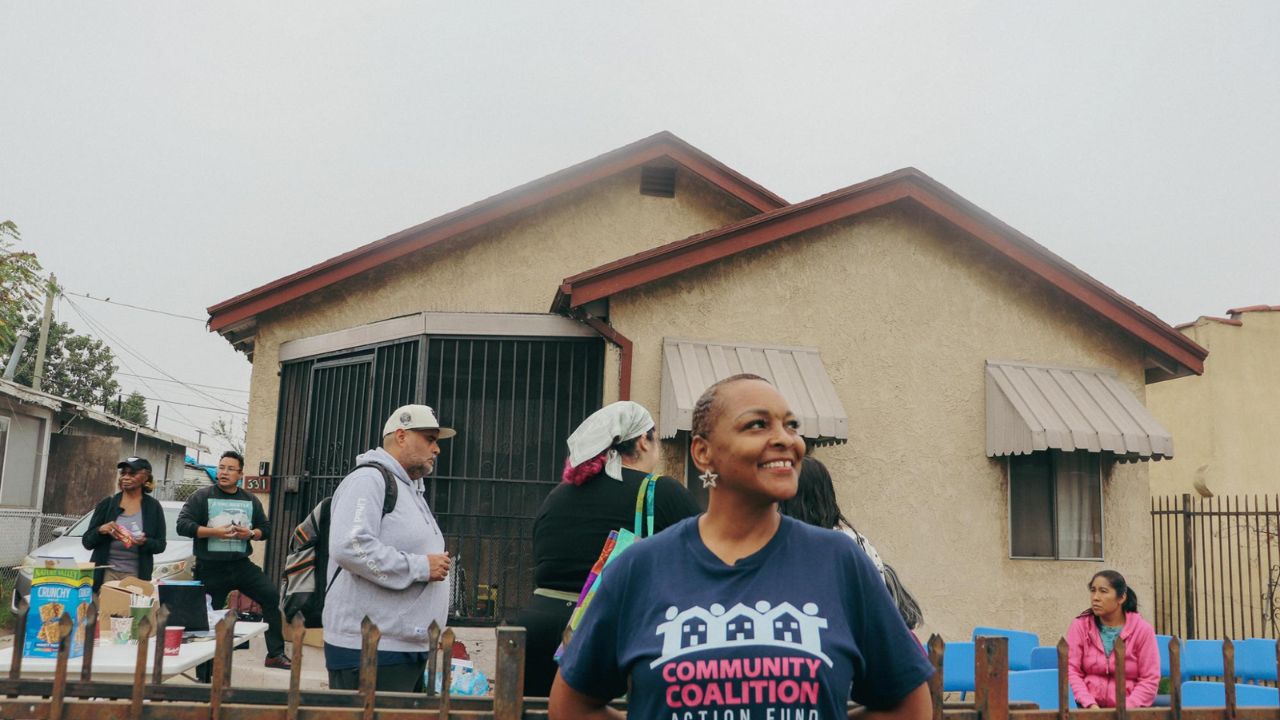
A well-maintained firebreak is a community effort, and its success often depends on the collaboration of local governments, residents, and fire authorities. When firebreaks are part of a broader community preparedness plan, they strengthen neighborhood resilience. People are more confident that steps are being taken to protect their homes and livelihoods, which encourages proactive measures like defensible space maintenance and community fire drills.
3. Reducing Economic Loss
Wildfires are costly, both in terms of damage to property and the long-term economic impact on communities. By preventing the spread of wildfires, firebreaks help save property and infrastructure, thereby reducing recovery costs. In areas of LA where wildfires are common, the financial implications of a wildfire can be staggering. Community firebreaks offer a cost-effective solution to prevent such losses.
How to Build and Maintain Community Firebreaks in LA
1. Planning and Collaboration
Successful firebreaks require careful planning and coordination between local government agencies, fire departments, and residents. Community stakeholders must identify at-risk areas and determine the optimal locations for firebreaks. In Los Angeles, this often involves working with neighborhood councils, emergency management teams, and urban planners to ensure firebreaks are strategically placed.
2. Ongoing Maintenance
A firebreak is only effective if it is maintained properly. Over time, vegetation can begin to regrow in firebreak areas, reducing their effectiveness. Routine maintenance, including clearing new growth and ensuring that firebreaks remain wide enough to impede fire spread, is essential. Regular upkeep often falls to local fire agencies and municipal authorities, but residents can also play a role by volunteering for community firebreak projects.
3. Incorporating Technology and Monitoring
Advancements in technology can also play a role in improving firebreaks. Using drone surveillance, remote sensing, and geographic information systems (GIS), fire departments can more accurately monitor and maintain firebreaks. This technology can help detect areas where vegetation has regrown or where firebreaks may need expansion or strengthening.
Challenges and Limitations of Firebreaks
While firebreaks are effective, they do come with limitations. For example, firebreaks cannot always stop a fire from spreading if the conditions are extreme, such as in high winds. Additionally, they may not prevent spot fires—small fires that start beyond the firebreak due to embers carried by the wind. As such, firebreaks should be part of a comprehensive wildfire prevention strategy that includes home hardening, vegetation management, and community education.
Conclusion: A Key Element in LA’s Wildfire Strategy
Community firebreaks are an essential part of wildfire prevention in Los Angeles. They help protect vulnerable neighborhoods, aid in firefighting efforts, and provide residents with a greater sense of security during wildfire season. By investing in the creation and maintenance of firebreaks, Los Angeles can enhance its resilience to wildfires and ensure the safety of its communities.
Take Action Today: If you’re a resident of Los Angeles, take steps to ensure your home is protected by maintaining defensible space and supporting local firebreak initiatives. Reach out to your neighborhood council to find out how you can get involved in firebreak projects and help safeguard your community from the next wildfire.