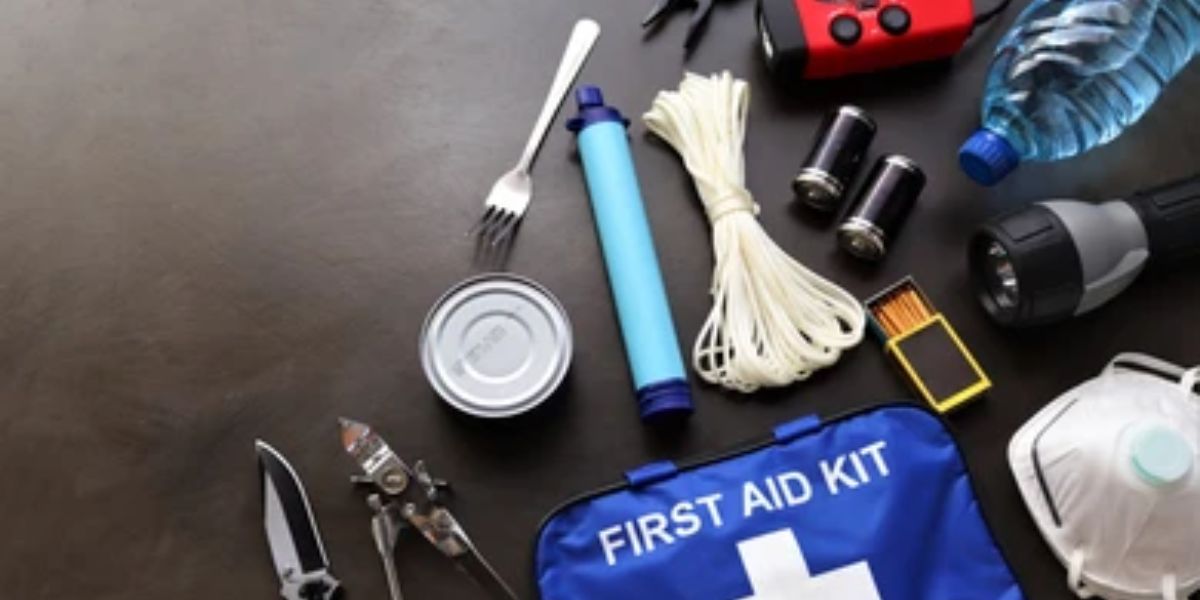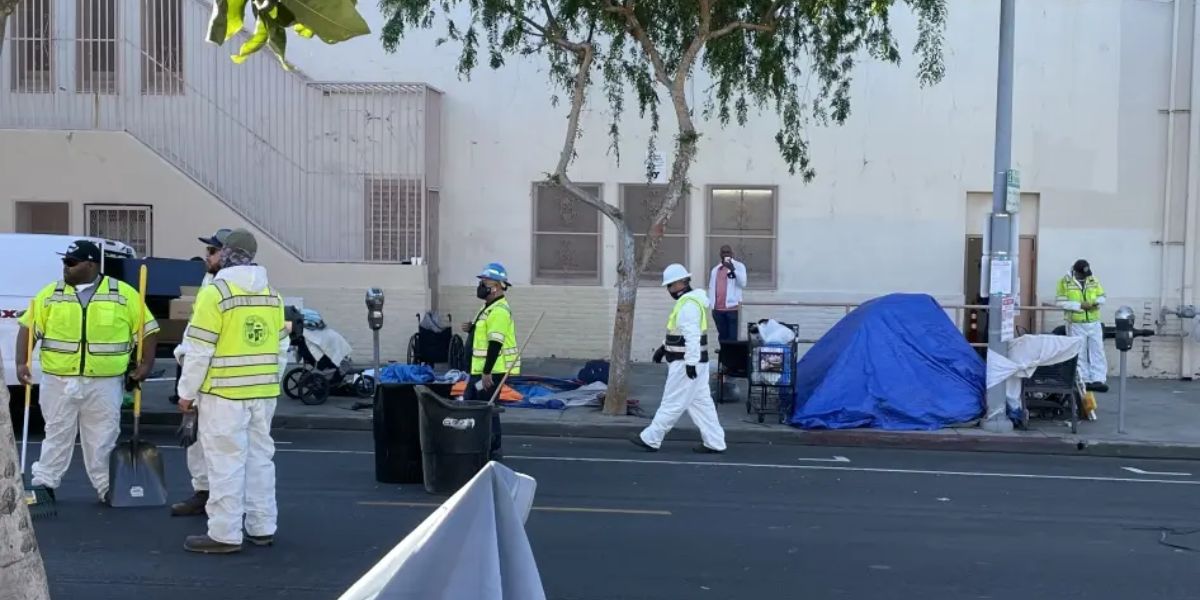
In times of crisis, a strong and well-organized community safety network can make a significant difference. Whether it’s an earthquake, wildfire, or a public health emergency, communities that work together are better equipped to handle disasters. Los Angeles, with its diverse population and vulnerability to natural disasters, requires a community safety network that is both resilient and responsive. This guide outlines practical steps to creating such a network in Los Angeles.
Understanding the Need for a Community Safety Network
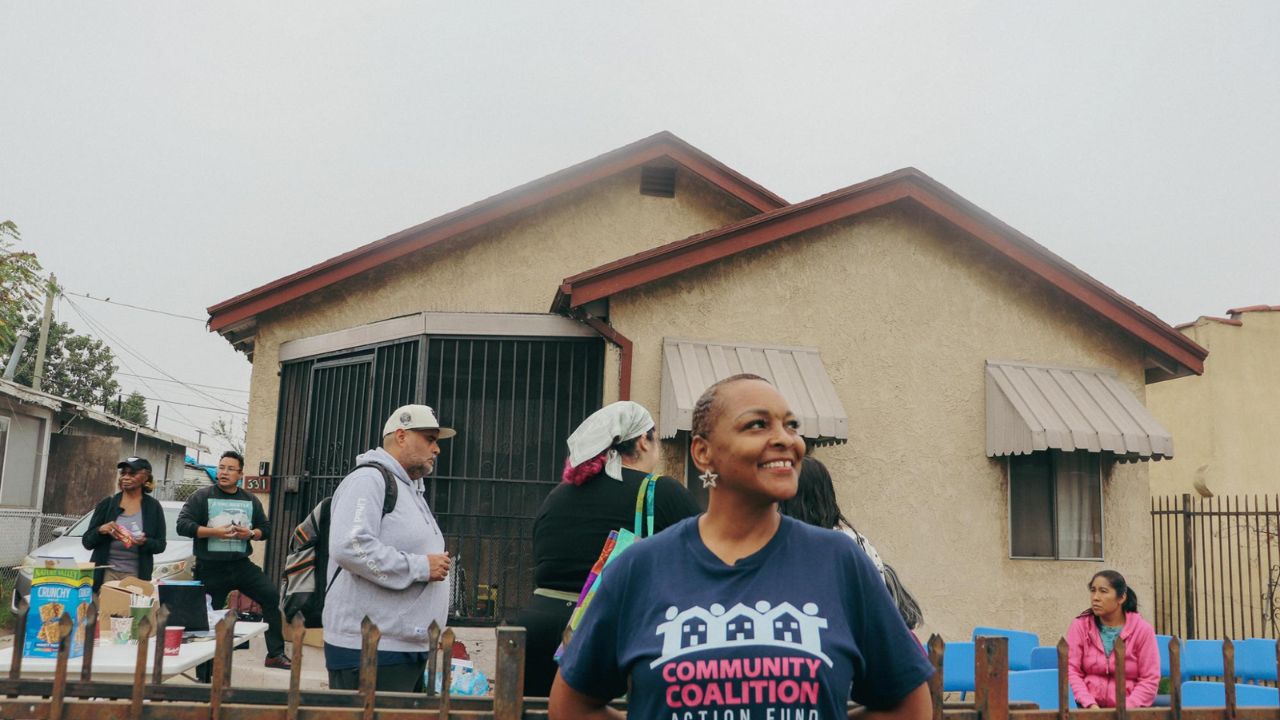
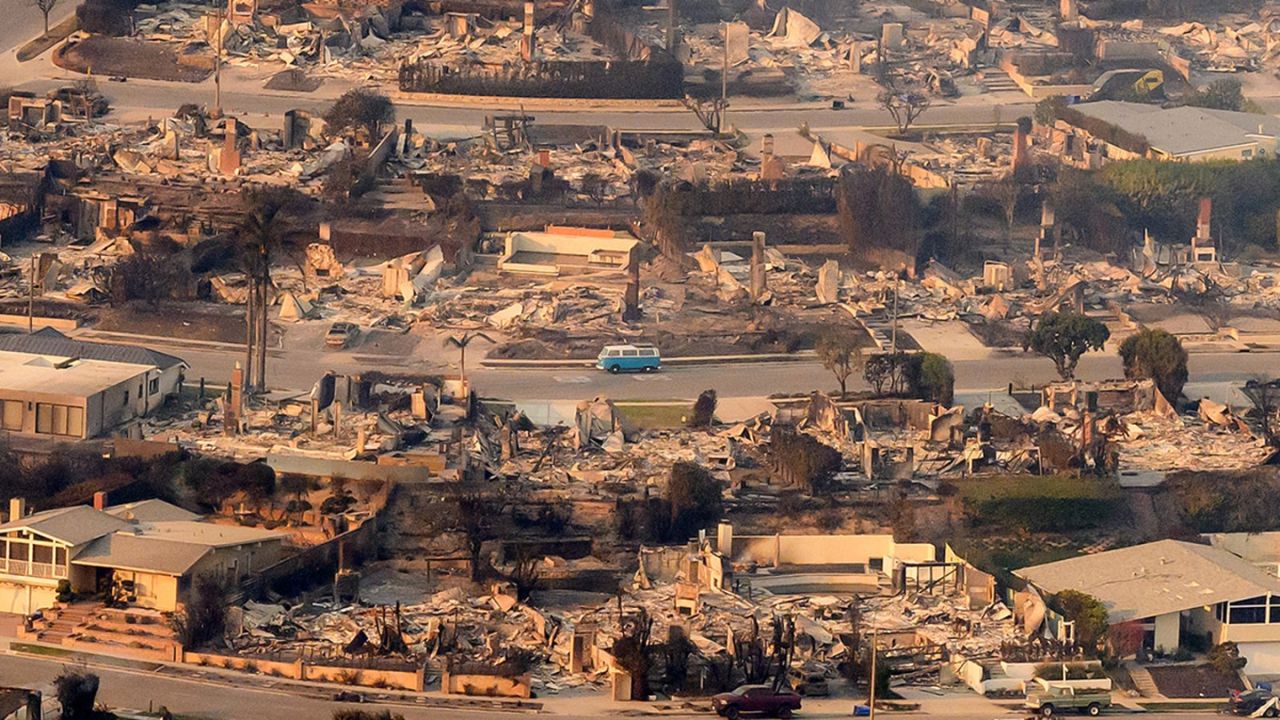
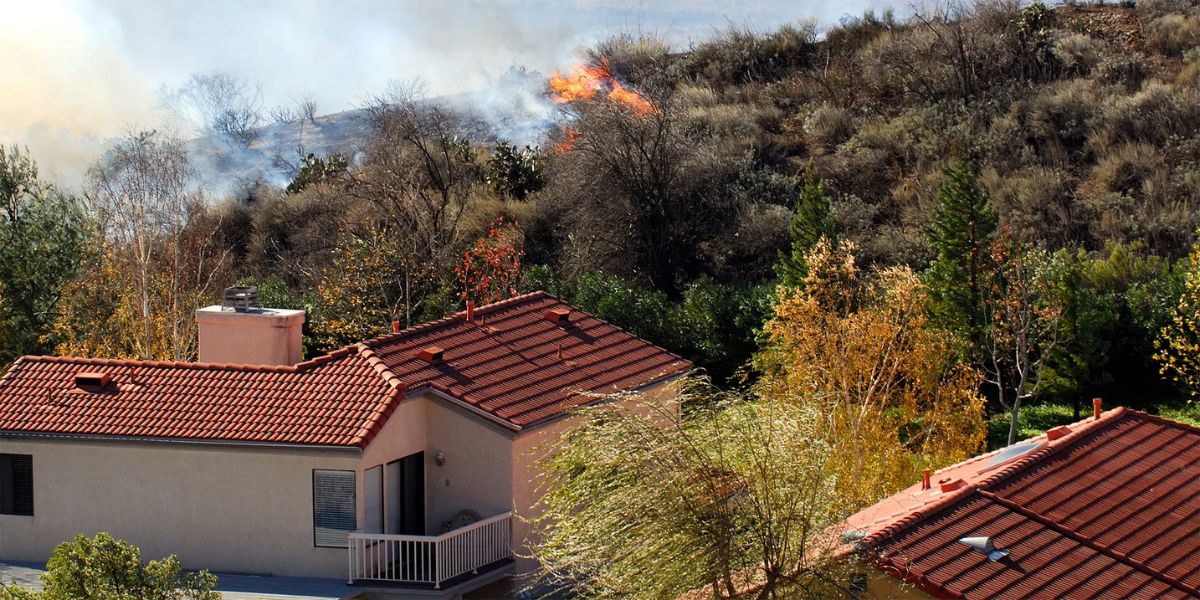
Los Angeles faces numerous challenges when it comes to emergency preparedness. With the city situated on the San Andreas Fault, prone to wildfires, and home to millions of residents, the need for a proactive and coordinated approach to community safety has never been more urgent. A community safety network is essentially a group of residents, local organizations, businesses, and government agencies working together to enhance preparedness, respond to emergencies, and recover from disasters.
Table of Contents
By building strong ties within neighborhoods, communities can ensure that residents are informed, resources are shared, and everyone has the support they need when disaster strikes.
Key Components of a Community Safety Network
1. Communication Systems
Clear and effective communication is crucial during an emergency. A community safety network should establish communication protocols that ensure information flows seamlessly between local authorities, emergency responders, and residents. Some key methods include:
- Neighborhood Alert Systems: Set up local communication channels like text alerts or email lists to notify residents of emergencies or hazards.
- Social Media Groups: Create Facebook groups, WhatsApp chats, or neighborhood apps (like Nextdoor) to allow residents to exchange real-time updates and support one another.
- Public Notification Systems: Work with local authorities to ensure that mass notification systems are in place and easily accessible.
2. Emergency Response Teams
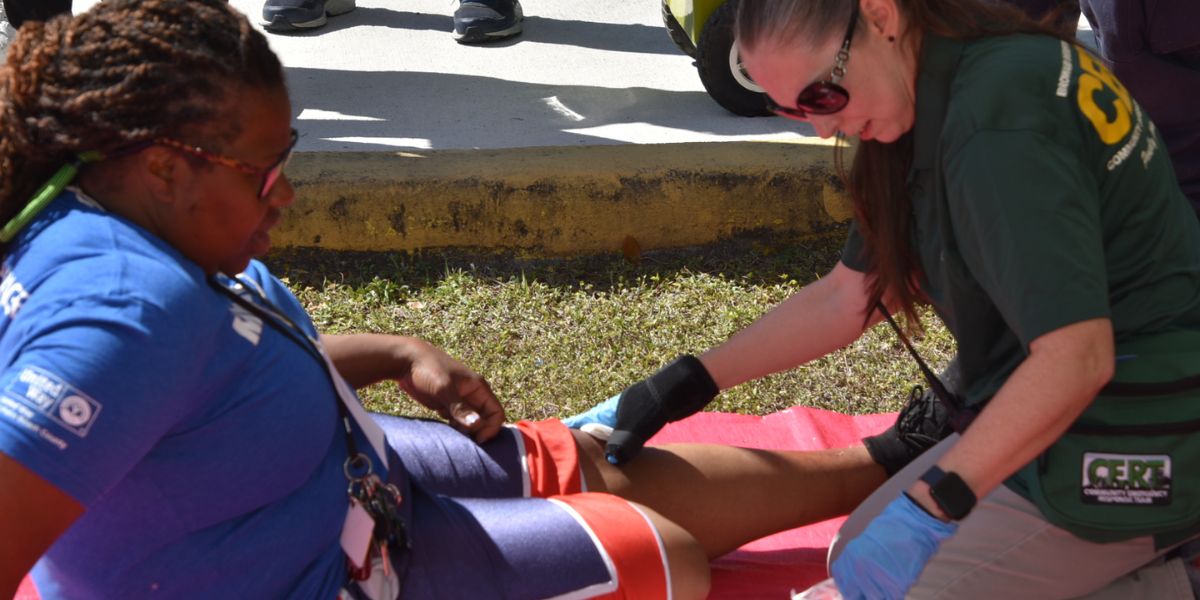
Identifying and training local volunteers to form emergency response teams can help ensure a more organized and effective community response. These teams can provide first aid, assist in evacuations, and help coordinate efforts between emergency services and residents.
- CERT (Community Emergency Response Teams): Encourage residents to participate in CERT training, which provides basic emergency response skills.
- Volunteer Networks: Develop a list of trained volunteers who can assist during emergencies, from medical support to logistics.
3. Local Resources and Shelters
Understanding and mapping out the local resources available in the community can be a lifesaver in a disaster situation. From shelters to food banks, every community should identify and make these resources known to its residents.
- Local Shelters: Partner with local shelters or schools that can serve as emergency evacuation centers.
- Food and Water Distribution Points: Identify businesses, churches, or community centers that can be utilized to distribute food and water.
- Resource Sharing: Set up networks for sharing resources like generators, medical supplies, and transport.
4. Evacuation Plans
In a large city like Los Angeles, having a coordinated evacuation plan is vital. It ensures that when the time comes, residents know where to go and how to get there.
- Evacuation Routes: Designate clear evacuation routes for different areas in the city, especially for neighborhoods prone to wildfires or flooding.
- Transportation Plans: Ensure that those without cars or mobility are provided with transportation options.
- Family Safety Plans: Encourage every household to create a family emergency plan, which includes meeting points, emergency contacts, and how to communicate during an evacuation.
5. Training and Education
Educating residents about safety protocols, emergency procedures, and disaster preparedness can go a long way in minimizing harm during a disaster. Regular community drills and preparedness workshops should be organized.
- Workshops: Host workshops on wildfire prevention, earthquake preparedness, and first aid.
- Community Drills: Conduct regular emergency drills so that residents are familiar with evacuation routes and know how to respond in case of a disaster.
- Safety Awareness: Spread awareness about the importance of home fire safety, earthquake retrofitting, and basic survival techniques.
Steps to Establishing a Community Safety Network in Los Angeles
1. Engage Community Leaders
Start by reaching out to key community leaders, including neighborhood association heads, local business owners, school administrators, and church leaders. These individuals can help rally support and mobilize volunteers.
2. Assess the Needs and Vulnerabilities of the Community
Conduct a risk assessment to identify the specific needs and vulnerabilities of the community. For instance, some neighborhoods may be more prone to wildfires, while others may need special attention regarding earthquake preparedness.
3. Establish Partnerships with Local Agencies
Collaborate with local emergency management agencies, fire departments, and the Los Angeles County Office of Emergency Management (OEM). These organizations can offer resources, training, and guidance on best practices for community safety.
4. Develop a Community Safety Plan
Draft a community safety plan that includes communication protocols, evacuation routes, local shelters, and resource-sharing networks. Share this plan with all residents and make sure everyone knows their role in the event of an emergency.
5. Regularly Review and Update the Plan
A safety network is only as strong as the effort put into it. Make sure to regularly review and update the community’s safety plan, conduct drills, and ensure that new residents are informed of the procedures.
Conclusion: Empowering Los Angeles Communities for a Safer Future
Creating a community safety network in Los Angeles is not a one-time task; it’s an ongoing effort that requires dedication and collaboration. By building strong communication systems, forming response teams, and ensuring that everyone is prepared, Los Angeles neighborhoods can become more resilient in the face of disasters.
Call to Action:
Start building your community’s safety network today! Reach out to your neighbors, local agencies, and organizations to create a well-prepared, resilient Los Angeles community. For more information on how you can get involved, visit bereadyla.org and join our efforts to strengthen community preparedness across Los Angeles.