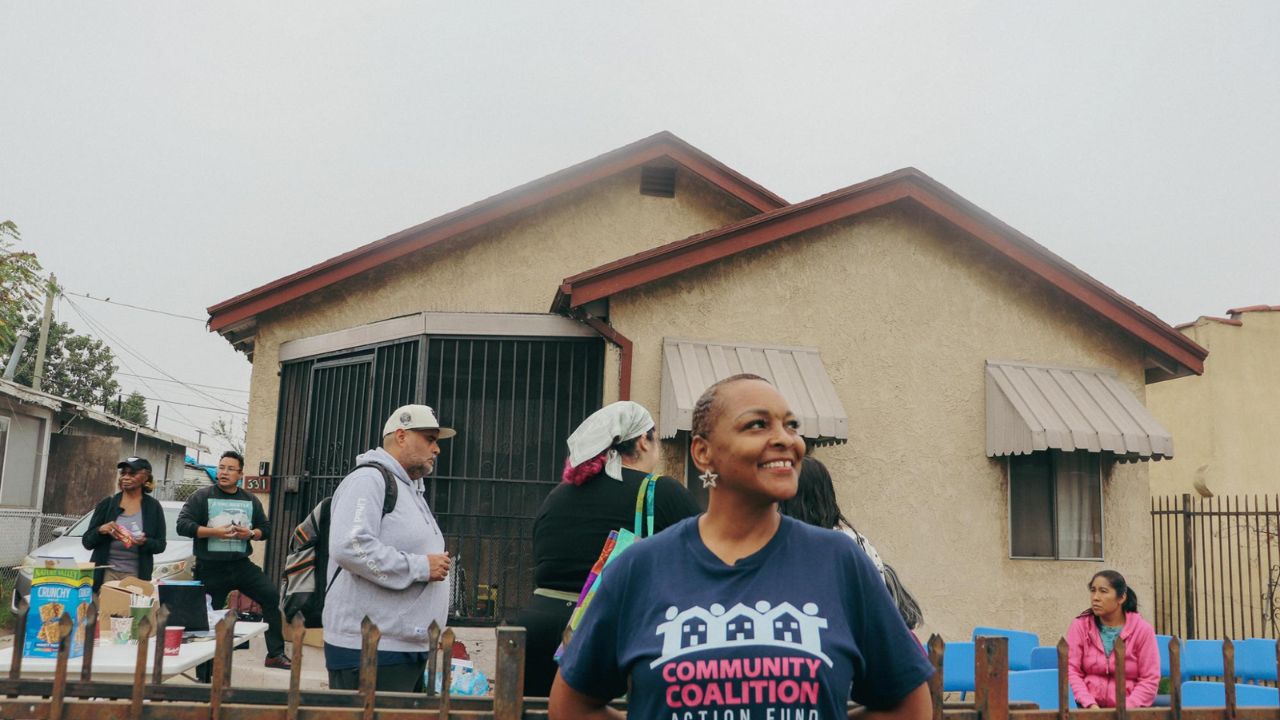
Los Angeles, CA – In a city as large and diverse as Los Angeles, emergency preparedness isn’t just about having supplies or evacuation routes—it’s about people. When disaster strikes, every generation in a community has a role to play. Youth bring energy and tech savvy, while seniors offer wisdom, experience, and local memory. But too often, both groups are left out of planning conversations. Creating a truly resilient Los Angeles means engaging youth and seniors as equal partners in your local emergency network.
Why Multi-Generational Preparedness Matters
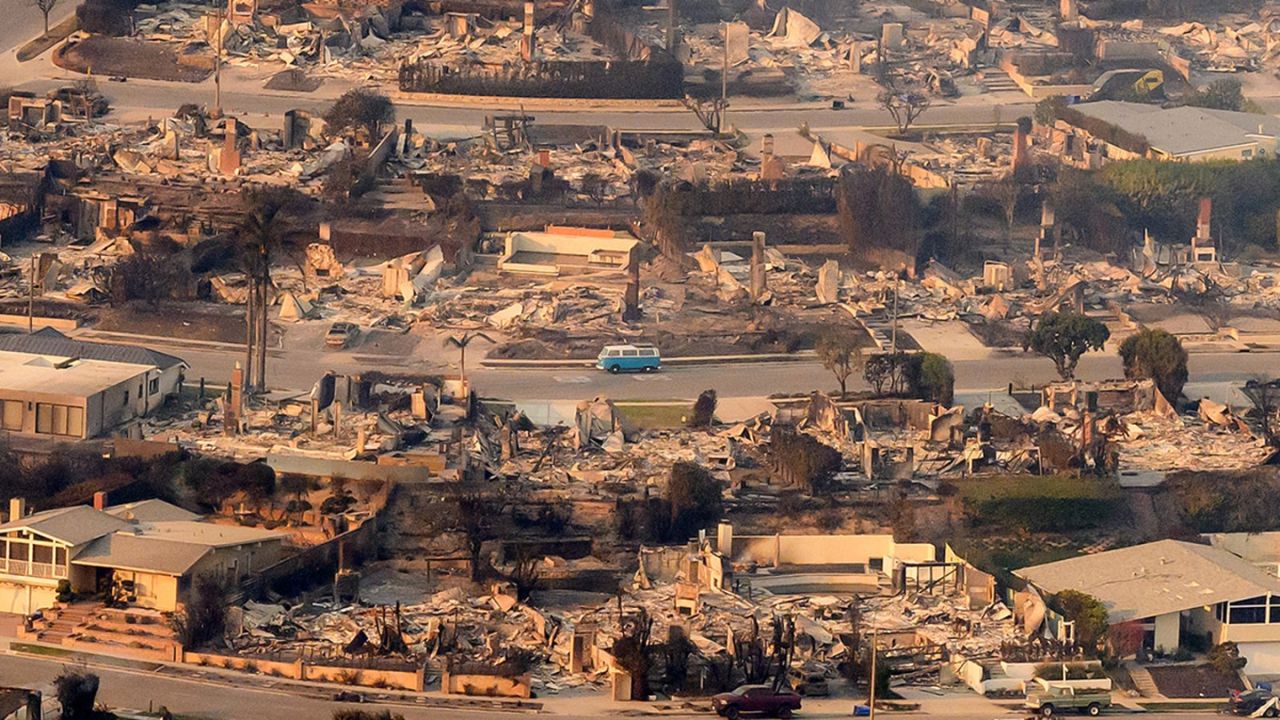
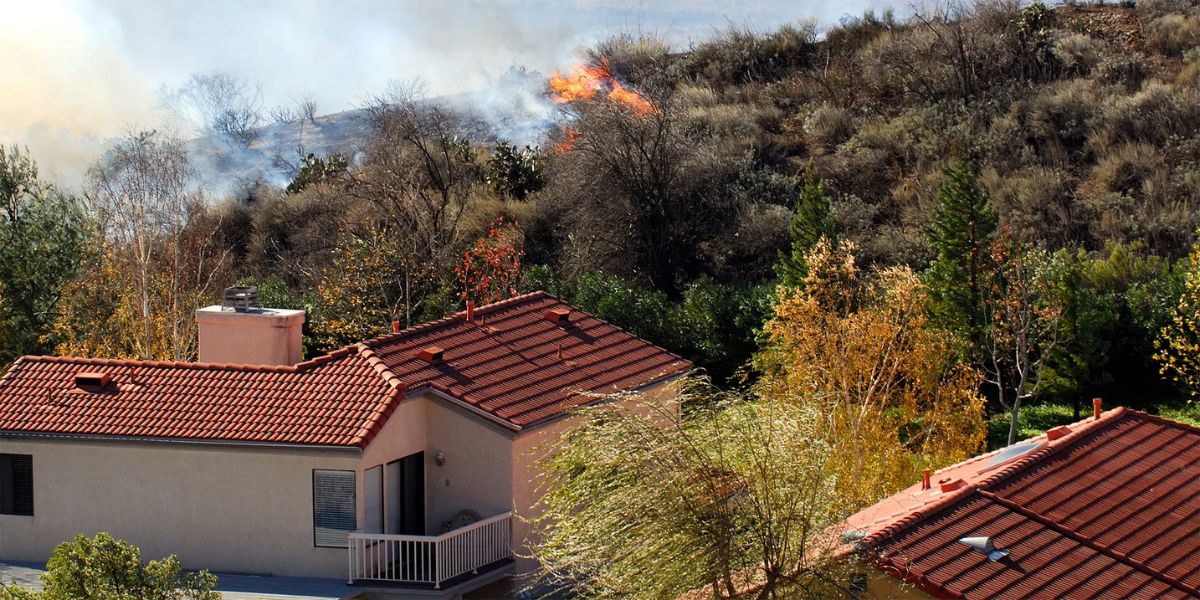
Los Angeles neighborhoods face complex hazards—from wildfires in the foothills to earthquakes and power outages across the basin. The most effective community response comes when everyone participates.
Table of Contents
Younger residents often understand digital tools better than anyone. They can help set up communication channels, manage social media updates, and share verified information fast. Seniors, on the other hand, often have deep neighborhood knowledge, long-term relationships, and practical experience from past emergencies.
Combining both creates balance: energy meets wisdom, technology meets trust. Communities that tap into this diversity recover faster and communicate better under pressure.
Creating Youth Involvement Programs
Young people are eager to contribute—but they need a clear invitation and purpose. Schools, youth organizations, and neighborhood councils in Los Angeles can start with small, hands-on projects that make preparedness feel real and rewarding.
Here are a few examples:
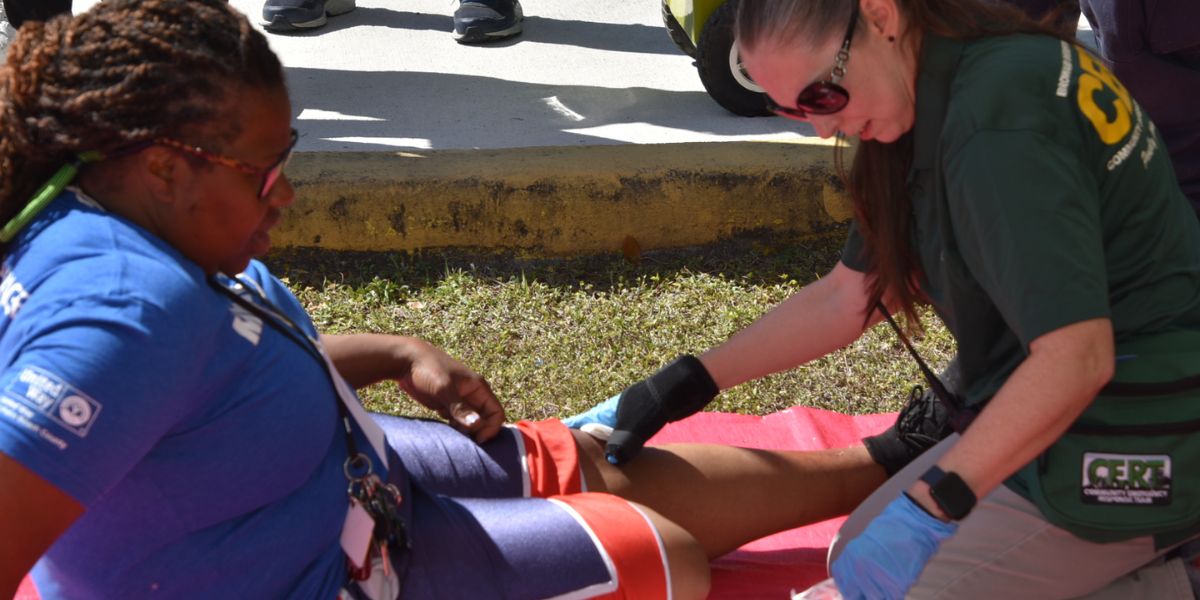
- CERT Junior Teams: Encourage teens to join or create junior versions of local Community Emergency Response Teams.
- Social Media Monitors: During drills or alerts, youth volunteers can track online misinformation and share verified updates.
- Digital Mapping Projects: Partner with schools to let students map vulnerable spots, such as blocked hydrants or narrow streets that affect emergency routes.
When youth see their work used in real community plans, it builds long-term ownership. Pair them with mentors from local emergency management or fire departments for additional guidance.
Involving Seniors as Trusted Leaders
Los Angeles has one of the largest senior populations in the U.S.—and many have lived through previous disasters like the 1994 Northridge earthquake or major wildfires. Their experience makes them natural educators.
Invite seniors to:
- Share stories and lessons learned during community meetings.
- Lead preparedness workshops for neighbors who may be new to LA or unfamiliar with its risks.
- Check on vulnerable households, particularly those with mobility or language barriers, during neighborhood drills.
Additionally, ensure that emergency communication methods—like phone trees or printed alerts—remain accessible for older adults who may not use smartphones.
Building Programs That Connect Generations
The most successful preparedness networks link youth and seniors directly. Consider launching intergenerational programs that pair tech-savvy youth with older residents who want to learn digital tools for emergency alerts.
For example, a “Tech for Safety” day could have local high school students help seniors download and understand the LA County Emergency App or register for Alert LA County notifications. Meanwhile, seniors could share insights about local hazards that aren’t always reflected in maps or databases.
This exchange not only strengthens readiness—it builds empathy and trust between generations.
Overcoming Barriers to Participation
Despite best intentions, participation often falls short due to time, access, or comfort levels. To overcome these barriers:
- Meet people where they are. Host preparedness events at community centers, churches, schools, or senior apartments.
- Offer flexible roles. Some volunteers may prefer planning; others might help with logistics or translation.
- Use clear, inclusive language. Avoid jargon and explain how every task—no matter how small—supports safety.
Inclusivity builds resilience. By making participation accessible and meaningful, communities ensure that no one feels left out of preparedness work.
Partnering with Local Agencies and Organizations
In Los Angeles, partnerships are key. City agencies, nonprofits, and community-based organizations already have the infrastructure to help connect generations.
Programs such as:
- Ready Your LA Neighborhood (RYLAN) – helps residents create neighborhood response plans.
- American Red Cross Los Angeles Region – offers youth preparedness courses.
- LA Works – provides volunteer opportunities for multi-generational service projects.
Working with these groups can provide structure, training, and visibility for local efforts.
Celebrating and Sustaining Engagement
Preparedness shouldn’t only happen after a crisis. Celebrate success stories through community newsletters, local media, or neighborhood council meetings. Recognize youth and senior volunteers publicly—it motivates others to join.
Encourage regular check-ins, refresher sessions, and drills that keep everyone active. When preparedness becomes part of community culture, rather than a one-time project, resilience grows naturally.
A Stronger, Connected Los Angeles
Building a multi-generational emergency network is about more than readiness—it’s about unity. By valuing both youthful innovation and senior experience, Los Angeles neighborhoods can become safer, more compassionate, and more connected.
Preparedness begins with a simple question: Who in your neighborhood could you count on—and who could count on you? The more we build those bridges now, the stronger our city will stand when challenges arise.
Share your community’s preparedness ideas or success stories with us at BeReadyLA.org—because every voice, young or old, helps shape a safer Los Angeles.