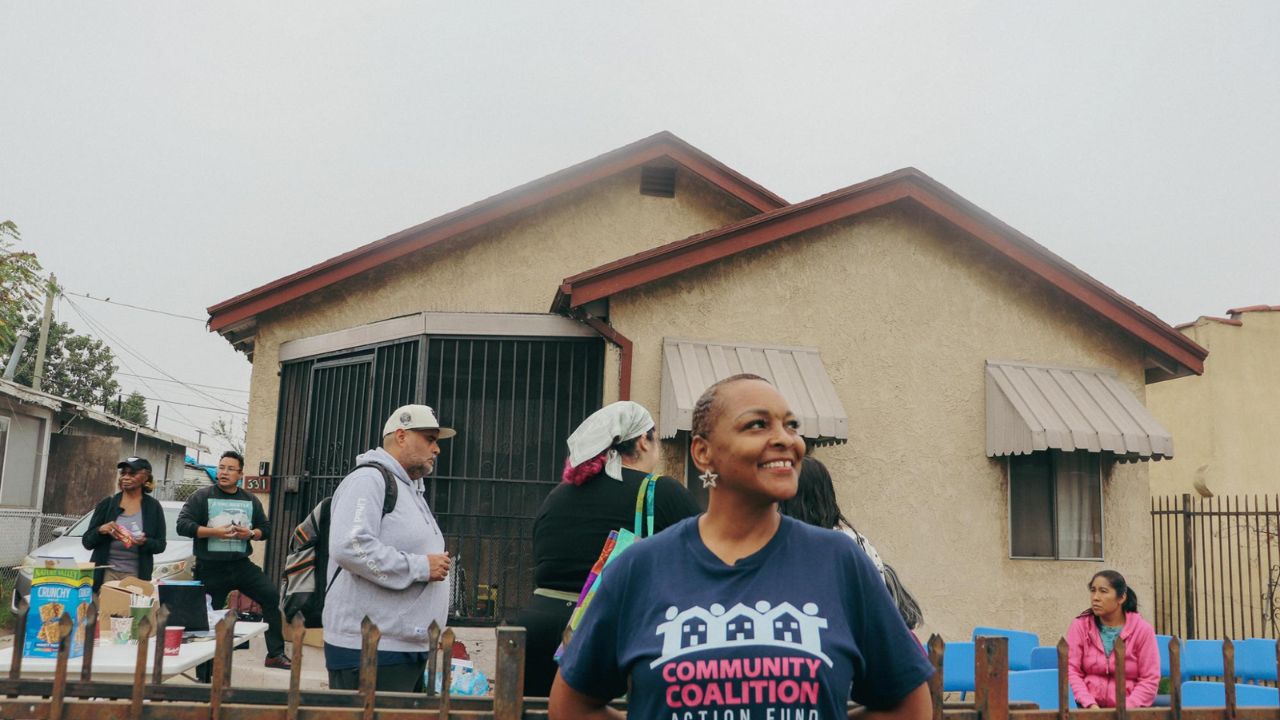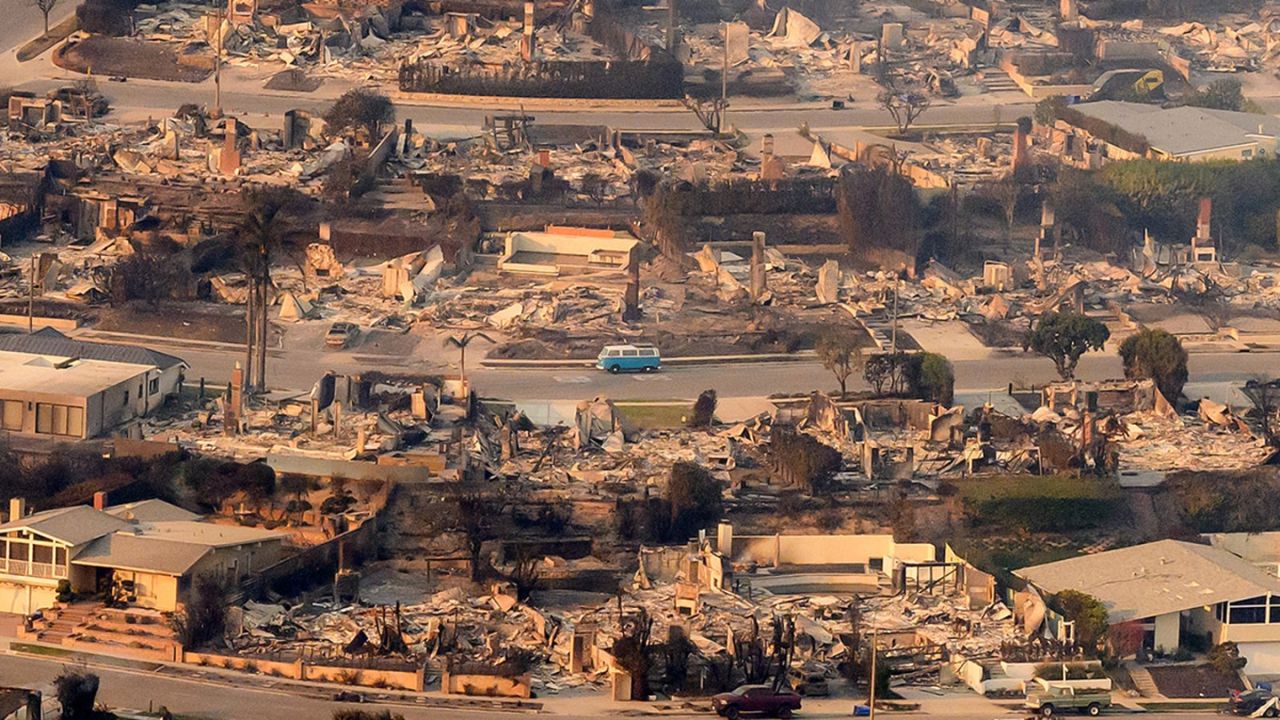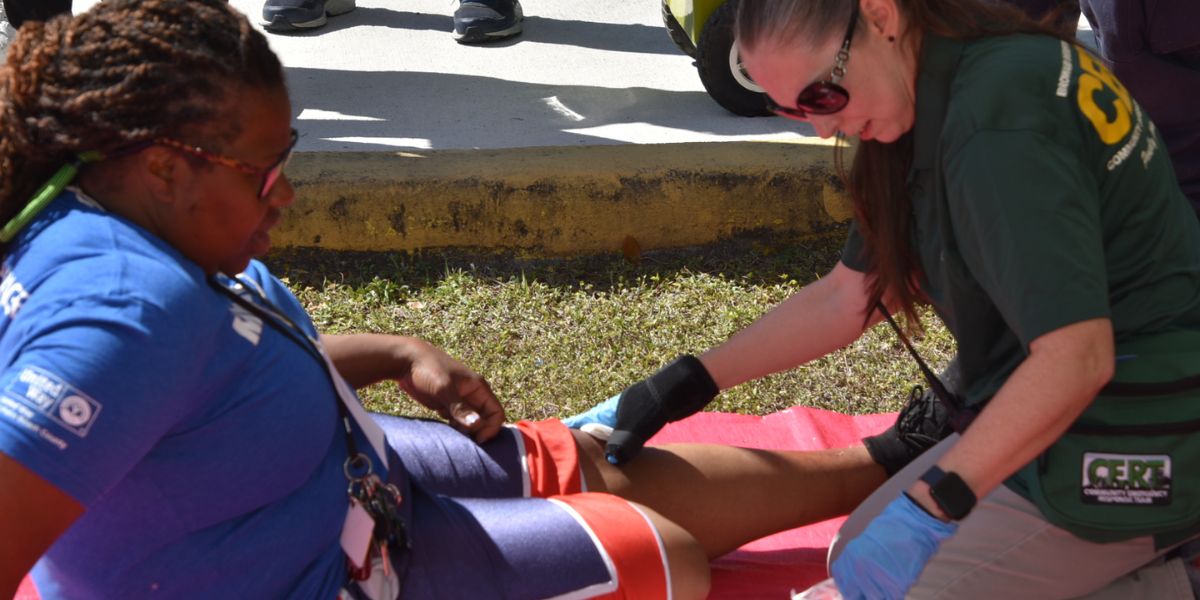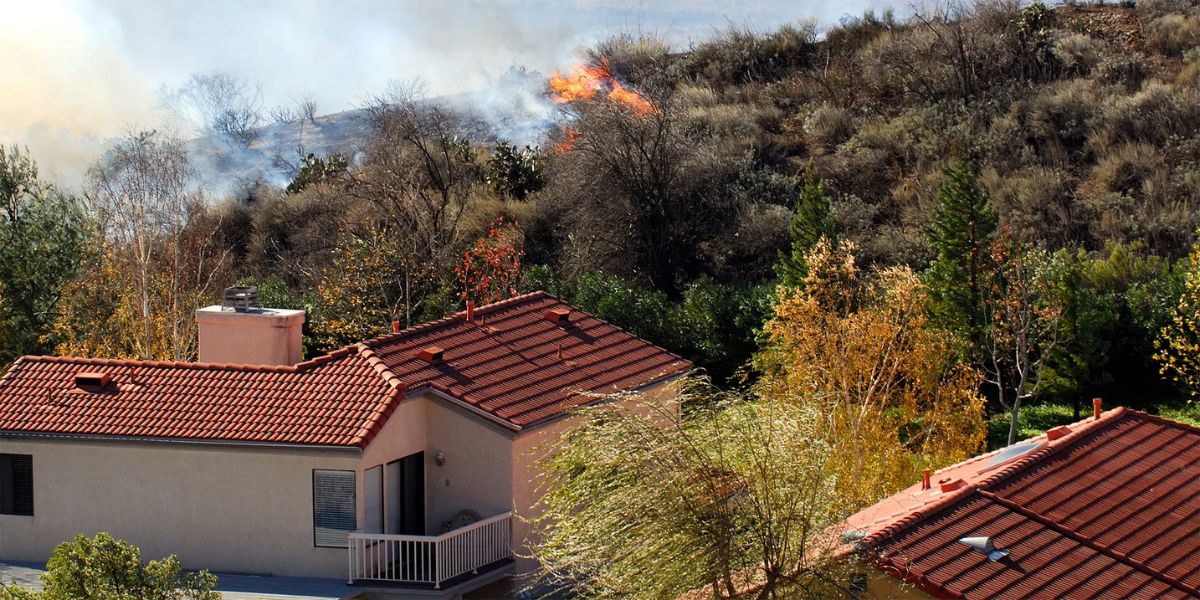
In a city as large and complex as Los Angeles, community preparedness isn’t just a good idea — it’s essential. Wildfires, earthquakes, and power outages can strike with little warning, and when they do, having an organized neighborhood plan can make all the difference. One of the most effective ways to start building resilience is by hosting a neighborhood preparedness meeting. Whether you’re part of a homeowners’ association, a local community group, or simply a concerned resident, here’s a clear step-by-step guide to help you organize a successful meeting that empowers your neighbors and strengthens your community’s safety network.
Choose a Clear Purpose and Goal
Before you send invitations, define what you want the meeting to achieve. Are you aiming to create a neighborhood emergency plan, establish a phone tree, or recruit volunteers for CERT (Community Emergency Response Team) training? Having a clear purpose keeps the meeting focused and productive.
Table of Contents
Write a short summary of your goals so participants know what to expect. For example:
- Introduce basic emergency planning steps for the neighborhood.
- Identify local risks such as wildfires, earthquakes, or flooding.
- Assign initial roles like communication lead, evacuation coordinator, and supplies manager.
By outlining your goals early, you’ll help neighbors see the value of participating — and set the tone for collaboration.
Pick a Convenient and Safe Location
Choose a spot that’s easy for everyone to access — a local park shelter, community center, or even your driveway if space allows. In Los Angeles, it’s best to avoid venues that may close during emergencies, like school auditoriums or government buildings, unless you have prior approval.
Ensure the location has enough seating, shade or cover, and accessibility for older adults or neighbors with disabilities. If you expect a large group, coordinate with your local Neighborhood Council or community center for space and materials.
Send Out Invitations and Spread the Word
Give your neighbors at least two weeks’ notice to plan. Use multiple channels to invite people: printed flyers, social media groups, or neighborhood apps like Nextdoor. Keep your invitation short and friendly — emphasize that it’s an informal event open to everyone, not just emergency experts.
Include details like:
- Date, time, and exact location
- Purpose of the meeting
- Contact person for questions
- A note encouraging attendees to bring chairs, water, or snacks
If your area has a Homeowners Association or a Neighborhood Watch group, ask them to share your invite in their newsletter or email list.
Prepare Materials and an Agenda
A successful meeting runs on preparation. Create a simple agenda that includes:
- A quick welcome and introductions
- A short overview of local risks in Los Angeles (earthquakes, wildfires, power outages)
- Discussion of emergency supplies and family plans
- Identifying safe meeting points and evacuation routes
- Recruiting volunteers for specific roles
Print handouts such as a basic emergency checklist, evacuation route map, or contact sheet for neighbors to fill out. Visuals make the information more engaging and easier to remember.
Engage Attendees with Practical Demonstrations
People remember what they see and do, not just what they hear. Include short demos like:
- How to shut off your home’s gas and water lines safely
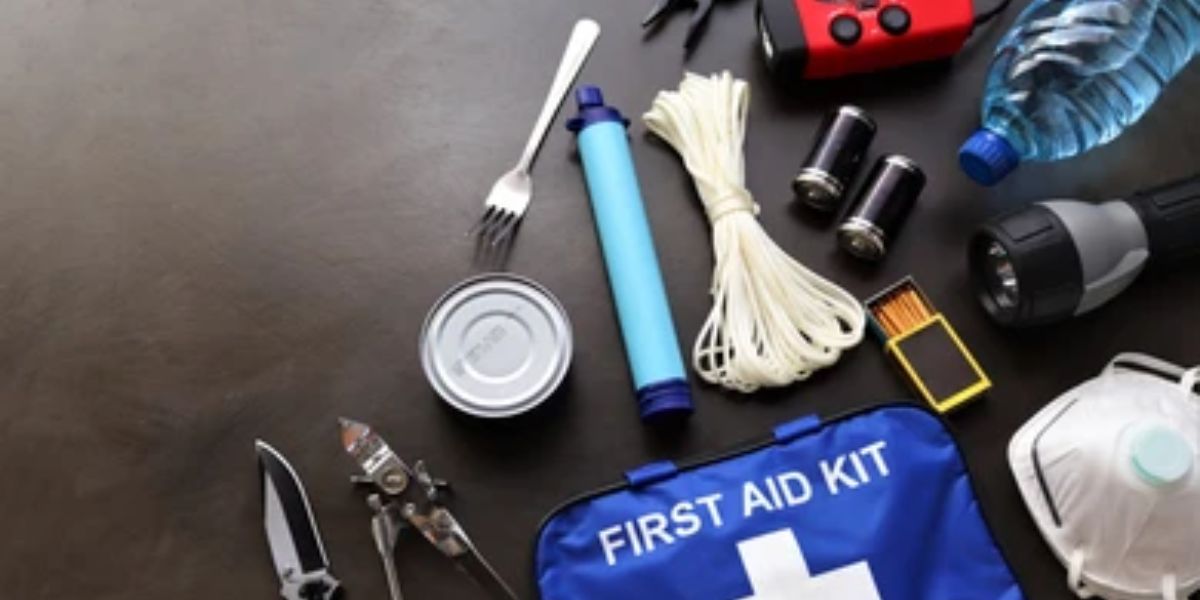
- How to assemble a 72-hour emergency kit
- Using text alerts like NotifyLA to stay informed
You could even invite a local CERT member or fire department representative to demonstrate or answer questions. This adds authority and helps residents feel connected to official safety resources.
Take Notes and Assign Responsibilities
During the meeting, assign someone to take notes — ideally a volunteer who can type or write quickly. Record names, phone numbers, and who volunteers for each task. Roles might include:
- Communication Lead: Shares alerts or updates with the group.
- Evacuation Coordinator: Helps organize safe exits for residents.
- First Aid Lead: Keeps track of neighbors with medical training.
These roles don’t have to be permanent, but they provide a starting structure. After the meeting, email or print a simple summary so everyone knows next steps.
Follow Up and Keep the Momentum Going
The most common mistake organizers make is letting enthusiasm fade after the first meeting. Within a week, send a thank-you message and recap of what was discussed. Share a few clear next steps — such as a date for the next meeting, training opportunities, or a request for supply donations.
Create a group chat or email list to keep communication open. Apps like WhatsApp or GroupMe are great for quick updates and check-ins during future drills or real emergencies.
Keep It Positive and Inclusive
Preparedness shouldn’t feel like a lecture — it’s about connection. Encourage neighbors to share ideas and concerns. If someone has unique skills (like medical training or construction experience), highlight their contribution. Inclusivity builds trust, and trust is the foundation of any resilient community.
Remind participants that preparedness is ongoing. Even small actions — checking smoke alarms, trimming overgrown brush, or reviewing an evacuation plan — help keep everyone safer.
Conclusion
Hosting a neighborhood preparedness meeting in Los Angeles doesn’t have to be complicated. With clear goals, good communication, and follow-through, you can help your community become stronger, safer, and better connected. The key is consistency — one meeting can spark a movement that keeps neighbors ready for whatever comes next.
What do you think? Have you ever organized or joined a neighborhood preparedness meeting? Share your experiences and ideas in the comments below to help others across Los Angeles learn from your story.