Disaster preparedness is a critical element in ensuring the safety and resilience of communities, especially in cities like Los Angeles, which are prone to various natural disasters, including earthquakes, wildfires, and floods. Schools play a pivotal role in this preparedness, not just for students, but for the broader community as well. Engaging local schools in disaster preparedness programs can create a generation of individuals who are well-prepared, calm in the face of emergencies, and capable of helping their families and neighbors.
The question is, how can we effectively involve schools in these initiatives? Let’s explore strategies for engaging local schools in disaster preparedness programs in Los Angeles, ensuring that students, staff, and families are ready to face any emergency that may arise.
Table of Contents
Understanding the Importance of Disaster Preparedness in Schools
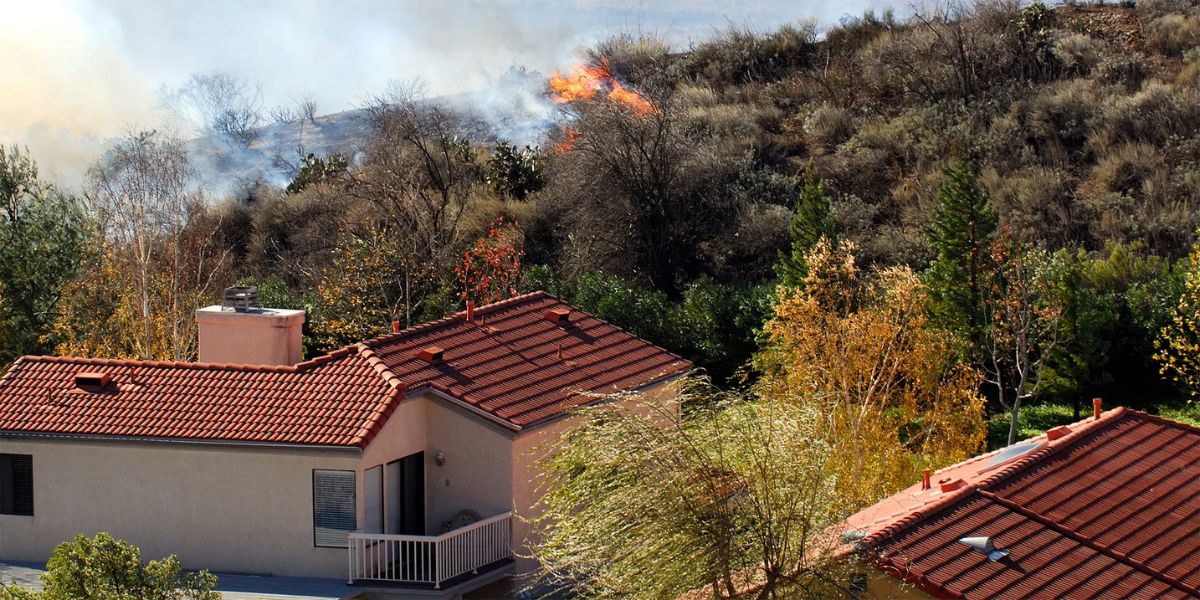
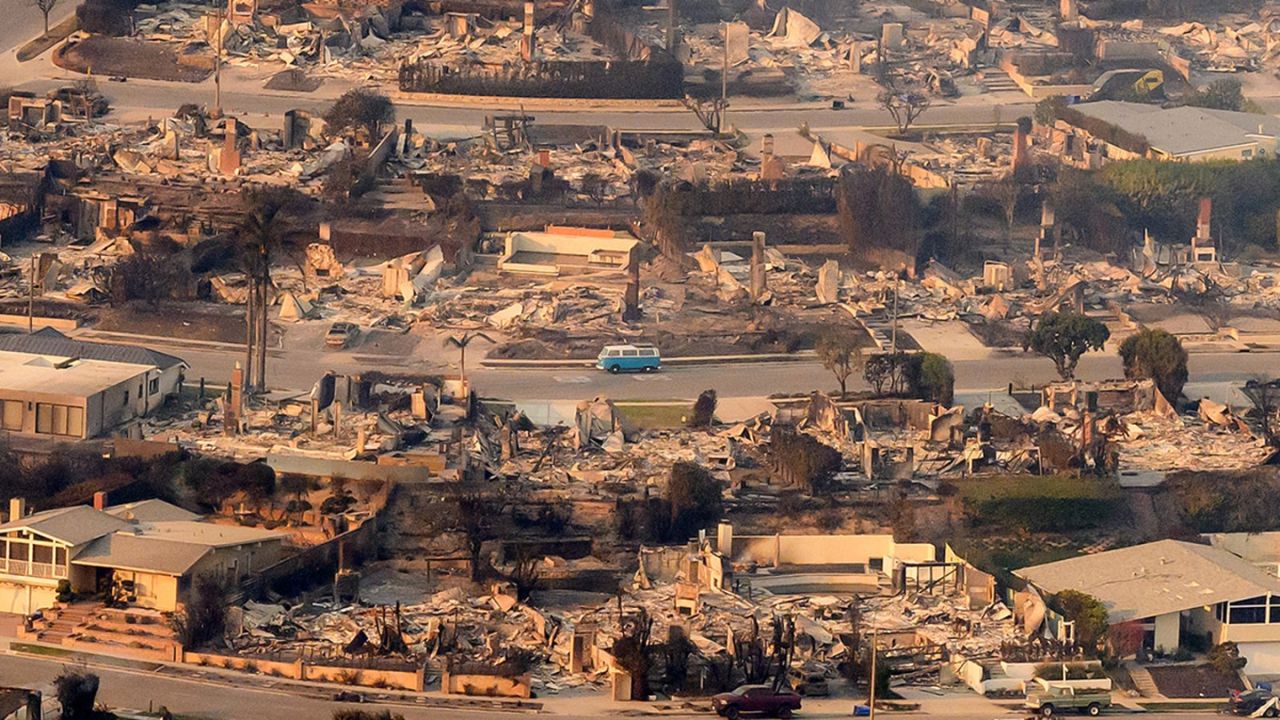
Before diving into strategies for engagement, it’s essential to understand why disaster preparedness is crucial in schools, especially in Los Angeles. The city faces a variety of natural hazards, such as wildfires, earthquakes, and floods, making it vital for both students and staff to know how to respond during an emergency.
When schools are involved in disaster preparedness programs:
- Students and Staff Are Better Equipped: Schools are hubs of young people and adults who can act as disaster responders, not only for themselves but also for their families and neighborhoods.
- A More Resilient Community Is Created: Preparedness programs can expand beyond the school walls, fostering resilience within families and communities at large.
- Increased Safety in Emergencies: Well-practiced drills and plans ensure that everyone knows what to do, which minimizes confusion and maximizes safety during disasters.
Strategies for Engaging Local Schools in Disaster Preparedness
1. Partner with Local Emergency Management Agencies
One of the best ways to get schools involved in disaster preparedness is to collaborate with local emergency management agencies. Los Angeles has agencies like the Los Angeles Fire Department (LAFD), Los Angeles County Emergency Management, and community-focused organizations like the American Red Cross.
- What to Do: Reach out to these agencies and propose partnerships to bring expert guidance into schools.
- Benefits: These agencies can provide materials, workshops, and even guest speakers for disaster preparedness programs. Their expertise ensures that schools are getting accurate and up-to-date information about the types of disasters that could affect Los Angeles.
2. Incorporate Disaster Preparedness into the Curriculum
Integrating disaster preparedness into the school curriculum can ensure that it becomes an ongoing conversation rather than a one-off event. Many schools already teach basic safety measures, but expanding this into comprehensive disaster preparedness can be a valuable learning experience for students.
- What to Do: Work with school administrators and curriculum planners to add disaster preparedness lessons into subjects like science, social studies, or even physical education.
- Benefits: Students will gain knowledge on the science behind natural disasters, understand their risks, and learn what to do in case of an emergency. It also allows students to make informed decisions when disaster strikes, helping them stay calm and act responsibly.
3. Organize Schoolwide Disaster Drills
Disaster drills should not be limited to fire drills alone. Schools should conduct regular drills for a variety of emergency situations, including earthquakes, wildfires, and evacuation procedures. These drills help familiarize students and staff with emergency protocols so they know exactly what to do when disaster strikes.
- What to Do: Organize drills in collaboration with local emergency management agencies and first responders. Schedule these drills during different times of the day to ensure that all students and staff are prepared for various scenarios.
- Benefits: Regular drills reinforce proper safety behaviors, allowing everyone to react quickly and efficiently. Moreover, drills can highlight areas where the school’s preparedness plan may need to be updated or improved.
4. Provide Emergency Preparedness Kits for Schools
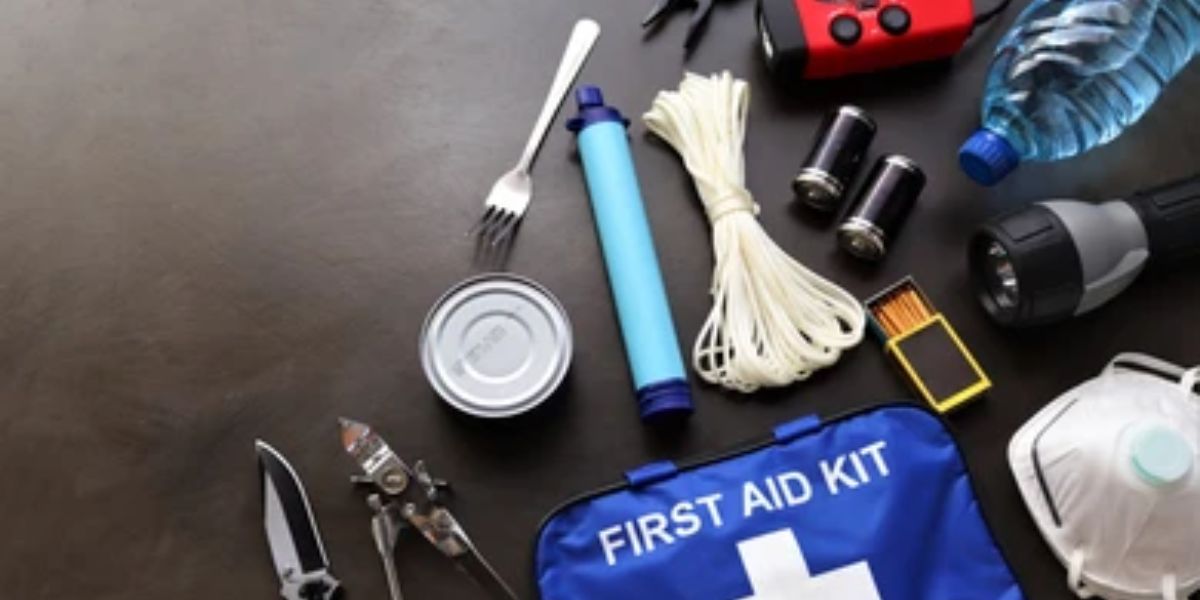
Every school should have emergency kits containing essential supplies, including first aid materials, flashlights, water, food, and other survival essentials. By ensuring that schools are stocked with the necessary materials, you can help mitigate the effects of a disaster in the event of a school emergency.
- What to Do: Work with local businesses or the school district to create and distribute emergency preparedness kits. Include materials like first-aid supplies, food rations, bottled water, and hygiene products.
- Benefits: When disaster strikes, having these kits available ensures that students and staff can remain safe until help arrives. It’s also a teaching moment for students, as they can help assemble kits and learn about their contents.
5. Engage Students in Community-Based Preparedness Projects
Involving students in community-based disaster preparedness projects can have a ripple effect. Students can be motivated to share what they’ve learned in school with their families and neighbors, thus spreading awareness and creating a more prepared community.
- What to Do: Create projects where students assess the risks of their neighborhoods, come up with plans for evacuation routes, and create emergency communication plans for their families.
- Benefits: Students become ambassadors for safety, not just in their homes but in their wider communities. These initiatives foster a sense of responsibility and community spirit, as students take action on behalf of their neighborhoods.
6. Host Parent-Teacher Disaster Preparedness Workshops
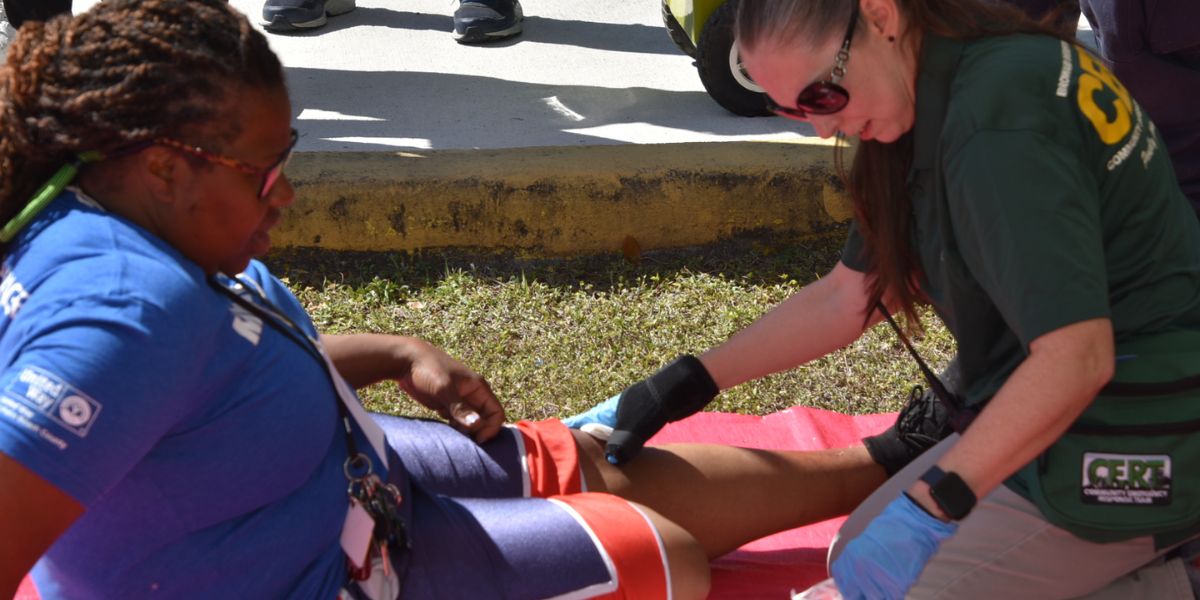
It’s not enough for schools to prepare only students and staff. Parents are a crucial part of the equation. By hosting workshops for parents, schools can ensure that families have the knowledge and tools they need to stay safe at home.
- What to Do: Organize workshops or webinars where emergency management professionals share disaster preparedness tips with parents. Topics can include creating family emergency plans, assembling go-bags, and preparing for specific local hazards like earthquakes and wildfires.
- Benefits: When parents are prepared, they can better support their children during a disaster. These workshops also create a partnership between the school and the home, fostering a holistic approach to preparedness.
Conclusion: A Stronger, Safer Future for Los Angeles Schools
Engaging local schools in disaster preparedness programs in Los Angeles is not only a smart move—it’s a necessary one. By working with local agencies, integrating preparedness into curricula, conducting drills, providing emergency supplies, involving students in community projects, and hosting parent workshops, schools can become central hubs of preparedness and resilience.
To make a real difference, everyone needs to get involved—students, staff, parents, and the broader community. As a school, it’s important to take action today to ensure that everyone is prepared for tomorrow’s emergencies.
If you’re a teacher, parent, or community member in Los Angeles, consider reaching out to your local schools and advocating for disaster preparedness programs. Share resources, volunteer for preparedness projects, and work together to build a safer, more resilient city. Remember, the more we prepare today, the more we can protect our children and communities tomorrow.