Building community resilience starts with people, not just plans. In a city as dynamic and disaster-prone as Los Angeles, neighborhood preparedness can make the difference between chaos and coordinated action when emergencies strike. Whether it’s wildfires in the foothills, earthquakes along the fault lines, or prolonged power outages, organized volunteer efforts help communities respond faster and recover stronger. Here’s a practical guide to launching your own volunteer preparedness drive in Los Angeles.
Understand Your Community’s Risks
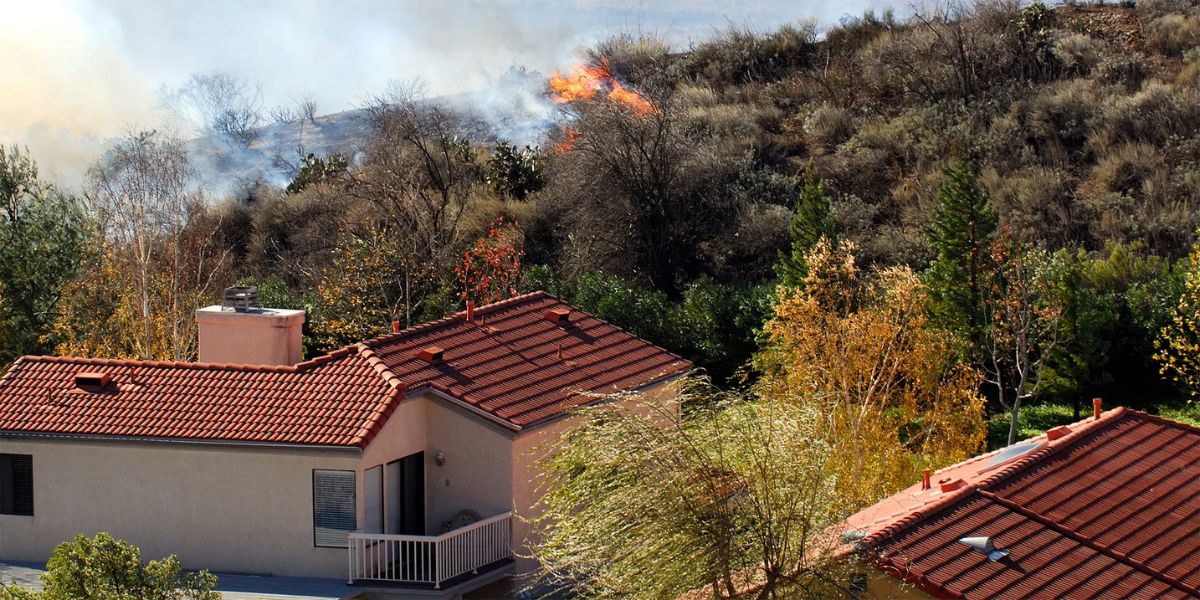
Before starting any preparedness drive, identify what emergencies are most likely to affect your area. Los Angeles neighborhoods vary widely — from hillside communities vulnerable to wildfires to coastal areas facing flood risks. The Los Angeles Emergency Management Department (EMD) provides free hazard maps and risk profiles that can guide your planning.
Table of Contents
Talk to neighbors, local CERT (Community Emergency Response Team) members, and neighborhood councils to understand your area’s top threats. Knowing whether you’re preparing for fires, earthquakes, or extreme heat events will shape your volunteer goals and resource needs.
Set Clear Objectives for Your Drive
Every successful preparedness effort begins with a clear mission. Decide what you want your volunteer drive to achieve. For example:
- Distribute emergency supply kits to low-income households.
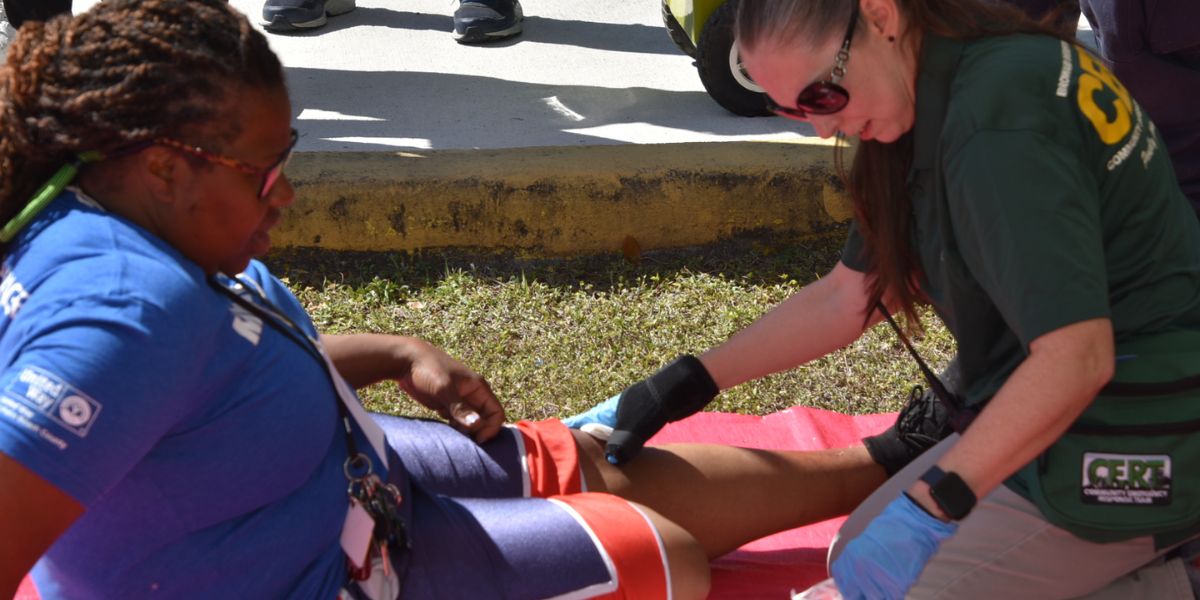
- Train volunteers in first aid and basic disaster response.
- Conduct evacuation drills for seniors or schools.
- Create a neighborhood communication tree for emergencies.
Once you define your objectives, set measurable goals — such as recruiting 25 volunteers, hosting three training events, or distributing 100 preparedness kits within six months.
Partner with Local Organizations
You don’t need to start from scratch. Many LA-based organizations already support community preparedness. Partnering with them gives your drive credibility, training, and access to resources.
Some great collaborators include:
- Los Angeles CERT (Community Emergency Response Team)
- American Red Cross Los Angeles Region
- Ready Your LA Neighborhood (RYLAN)
- United Way of Greater Los Angeles
These organizations often offer volunteer toolkits, safety brochures, and training sessions that can help jumpstart your initiative. Collaboration also helps you tap into existing volunteer networks and local event calendars.
Recruit and Train Volunteers
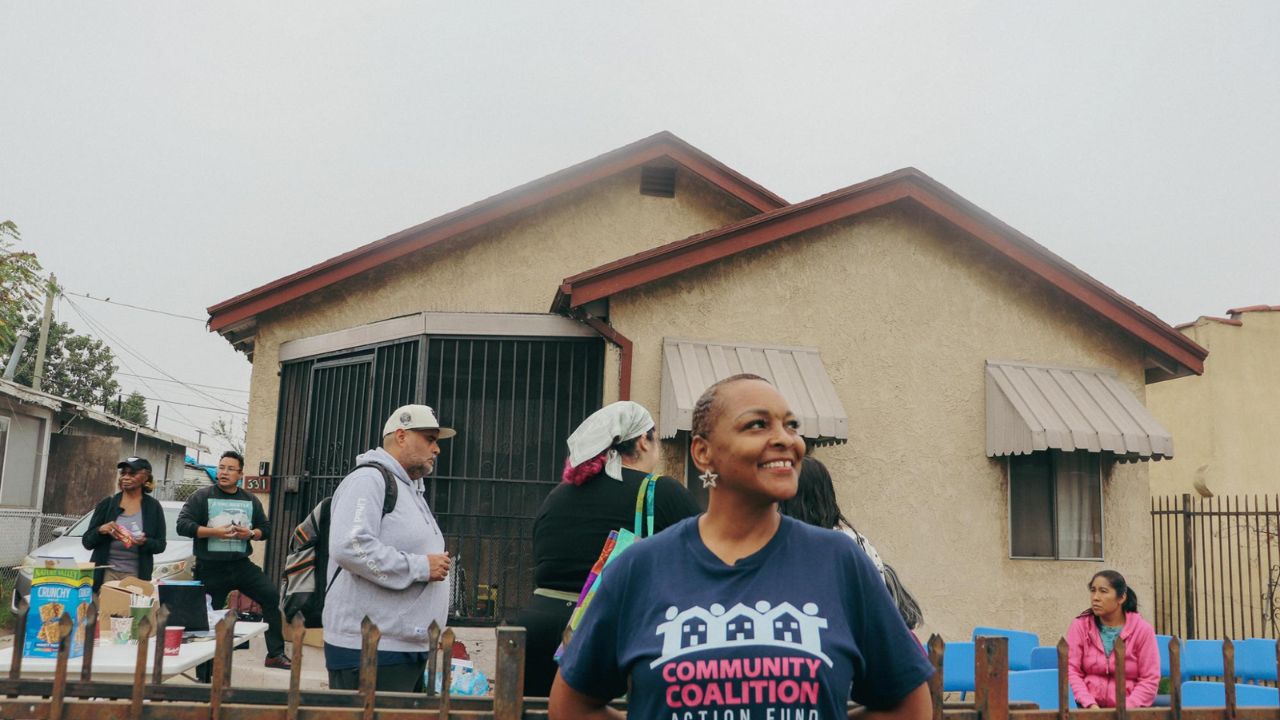
Recruiting is easier when people understand why preparedness matters. Use neighborhood Facebook groups, local schools, community centers, and even churches to promote your drive. Emphasize that no special skills are required — just a willingness to help.
During your first meeting, focus on:
- Explaining local risks and why the drive matters.
- Outlining volunteer roles (supplies, communications, outreach, logistics).
- Scheduling basic training sessions in CPR, first aid, and emergency coordination.
Many volunteers stay motivated when they see real impact — such as helping families assemble go-bags or teaching kids what to do in an earthquake.
Secure Essential Supplies and Funding
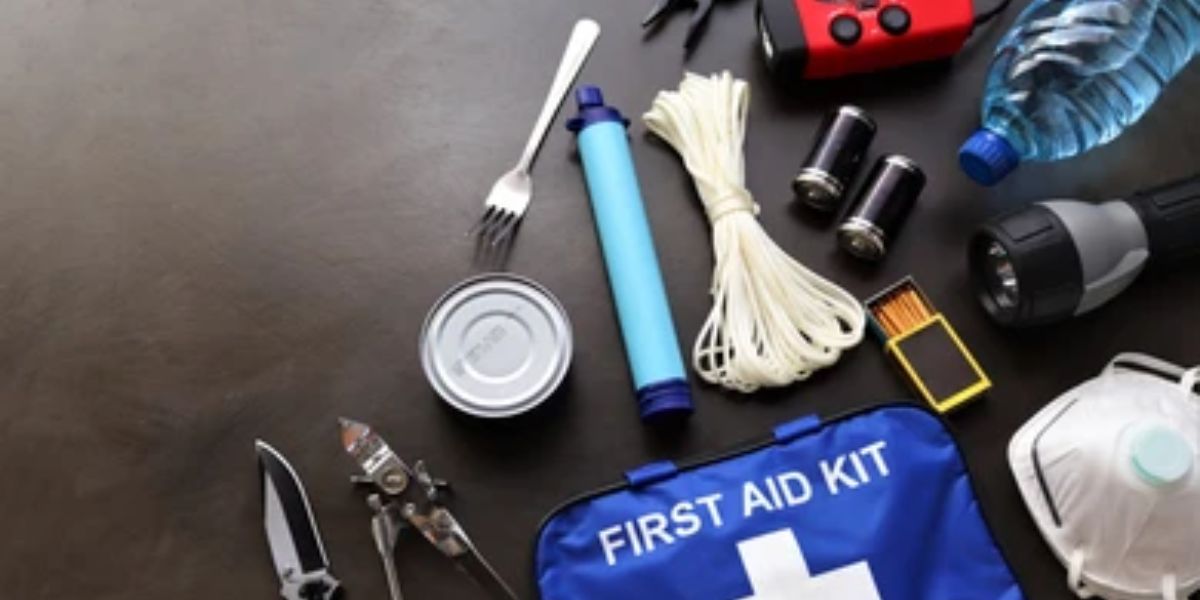
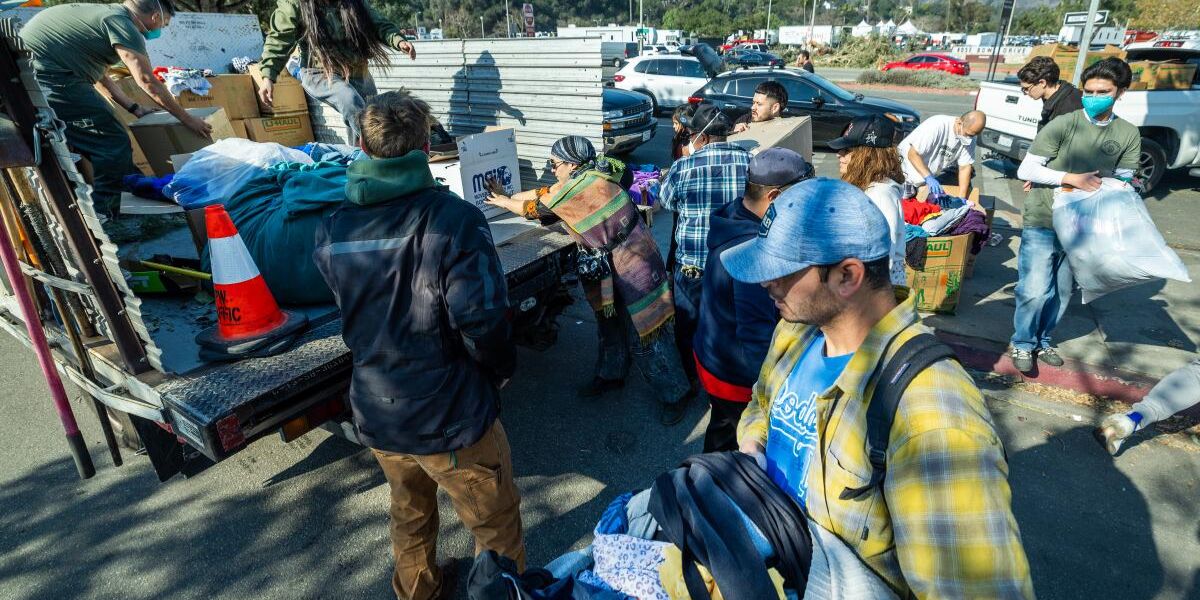
Preparedness drives often need basic materials: emergency kits, educational flyers, safety vests, and first aid items. Start with small donations from local hardware stores, supermarkets, and community sponsors.
Consider applying for small grants from organizations like California Volunteers or local foundations focused on disaster resilience. Crowdfunding platforms can also help raise funds for supplies if you clearly communicate your goals and community impact.
Host Community Training and Awareness Events
Events are a great way to educate and engage your neighborhood. Start small — host a preparedness workshop at a library, a local park, or a neighborhood council meeting. Include practical demonstrations like:
- How to turn off utilities during an earthquake.
- What to pack in a 72-hour emergency kit.
- How to identify defensible space zones for wildfire protection.
You can also set up booths at local fairs, farmers’ markets, or school events to spread awareness and recruit new volunteers. Make sure every event includes a clear next step — signing up for a training session or joining your group’s communication list.
Build a Communication Plan
Information saves lives during disasters. Develop a neighborhood communication tree that includes phone numbers, emails, and physical addresses of key volunteers. Tools like WhatsApp groups or the Nextdoor app can keep neighbors connected in real time.
Create bilingual materials (English and Spanish) to ensure inclusivity — a vital consideration in Los Angeles’ diverse communities. Include clear instructions for what to do if mobile networks go down or internet access is disrupted.
Keep the Momentum Going
Volunteer enthusiasm can fade after the initial event. Keep your preparedness drive active by scheduling quarterly meetups, sharing success stories, and celebrating milestones. Rotate leadership roles to prevent burnout and invite guest speakers from the Los Angeles Fire Department or local emergency offices to maintain engagement.
Encourage volunteers to become certified through CERT programs or first aid courses — this adds expertise and sustainability to your initiative.
Inspire Action Beyond Your Neighborhood
Preparedness doesn’t stop at one block. Once your neighborhood model is established, help nearby communities replicate your approach. Share your templates, event checklists, and communication strategies with others across Los Angeles. The city’s vastness can make preparedness feel disconnected, but local networks of trained volunteers can change that narrative — one drive at a time.
Call to Action
Los Angeles thrives when its communities come together before a crisis hits. If you’re ready to take the first step toward resilience, start planning your volunteer preparedness drive today. Small actions — one neighborhood, one family, one kit at a time — can make a lasting difference when disaster strikes.
Share your thoughts and preparedness experiences in the comments below, and visit bereadyla.org for more local guides, checklists, and resources to keep your community safe.