When emergencies strike—whether earthquakes, wildfires, or power outages—having a reliable supply of food and water can make all the difference. For residents of Los Angeles, where natural disasters can disrupt supply chains and utilities for days or even weeks, long-term storage isn’t just smart planning—it’s essential preparedness. Here’s how to ensure your household is ready to sustain itself safely and efficiently.
Understanding Los Angeles’ Unique Emergency Risks
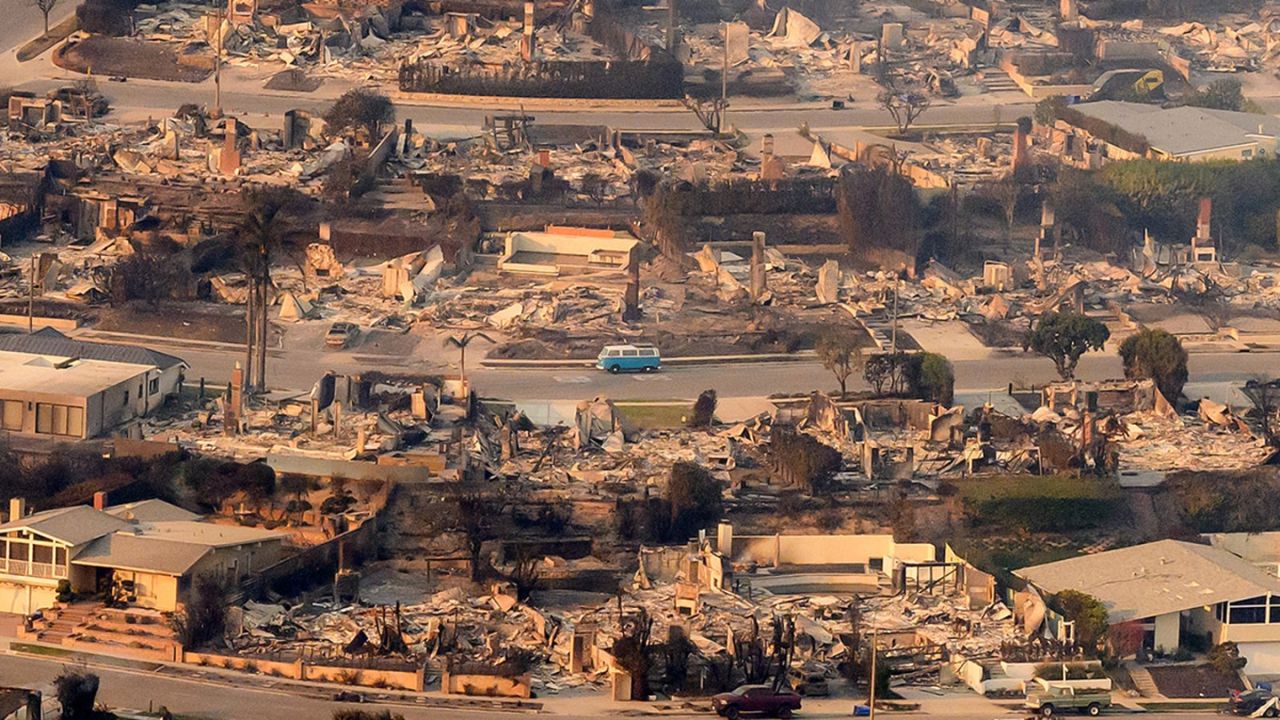
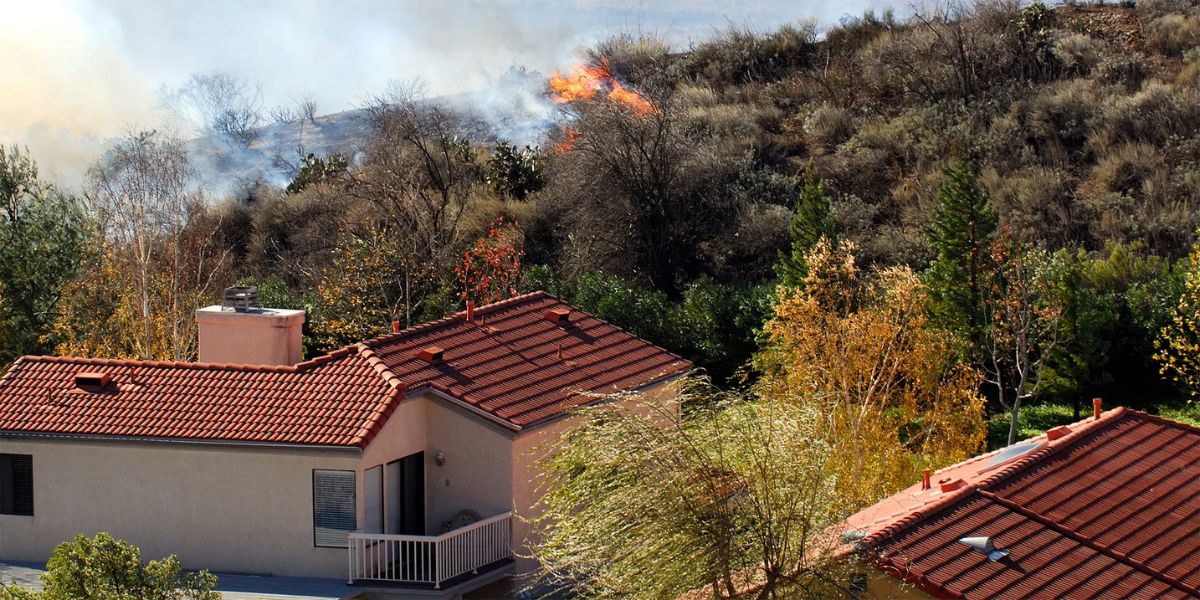
Los Angeles faces a range of hazards that make food and water storage a priority. Earthquakes can damage pipelines and roads, cutting off access to clean water and grocery deliveries. Wildfires can trigger evacuations or extended power outages. Even heatwaves can spoil refrigerated food faster than expected.
Table of Contents
Because of these risks, emergency planners recommend that every LA household maintain at least two weeks of food and water—and ideally a supply that can last up to a month for added security.
Calculating How Much Water You Need
Water is the single most critical resource in any emergency. The Federal Emergency Management Agency (FEMA) advises storing one gallon of water per person per day, divided between drinking and sanitation. For a family of four, that means 28 gallons for one week or 56 gallons for two weeks.
Consider storing more if:
- You live in hotter parts of Los Angeles, such as the San Fernando Valley or Inland Empire.
- You have children, elderly relatives, or pets.
- You rely on water for medical needs or cooking dehydrated food.
Store your water in food-grade plastic containers or commercially bottled water. Avoid using milk jugs—they can deteriorate over time and cause leaks. Rotate stored water every six months, and keep it in a cool, dark place away from direct sunlight.
Choosing the Right Food for Long-Term Storage
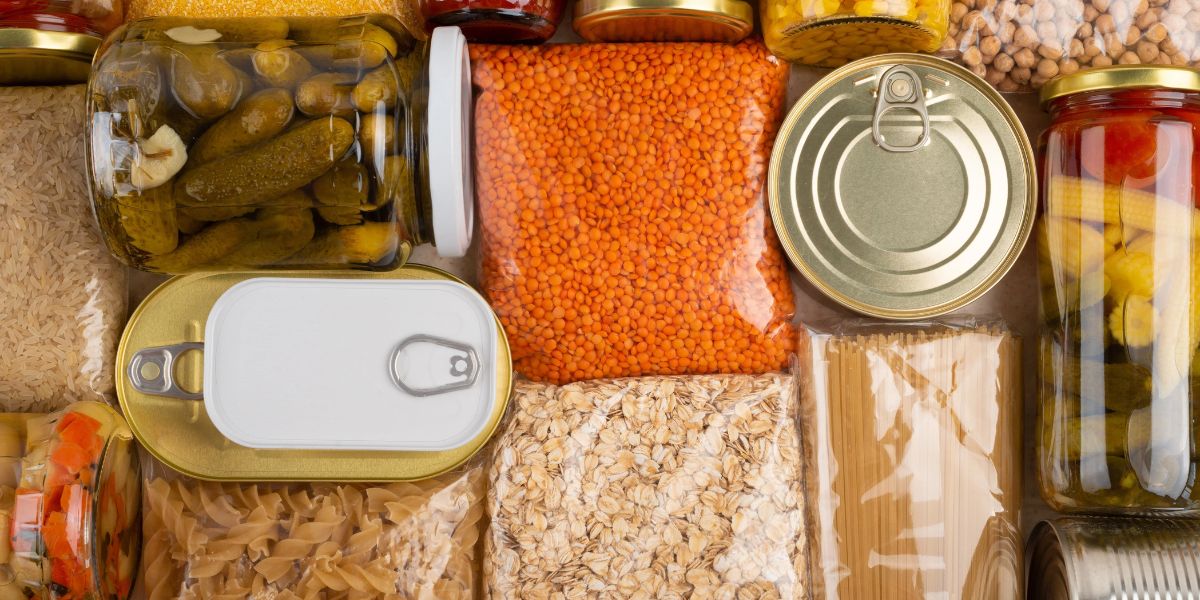
When selecting emergency food, prioritize non-perishable, nutrient-dense, and easy-to-prepare items. Los Angeles’ warm climate makes it especially important to avoid foods that can spoil quickly.
Smart choices include:
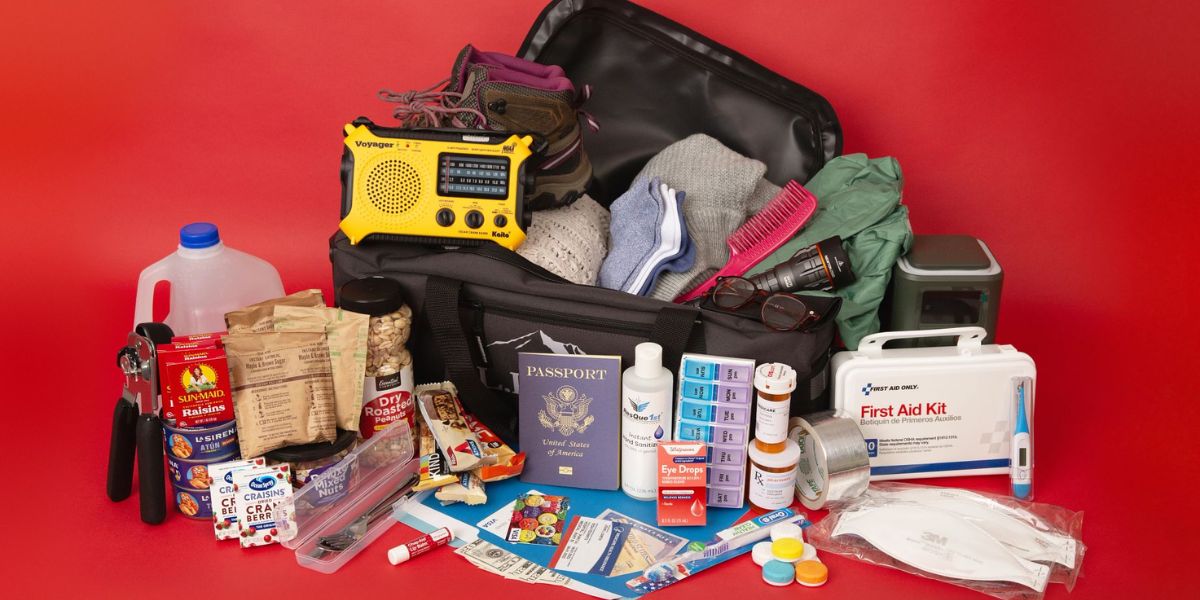
- Canned proteins like tuna, chicken, beans, or chili.
- Grains and starches such as rice, oats, pasta, or instant potatoes.
- Dried fruits and nuts for quick energy.
- Powdered milk or plant-based alternatives.
- High-calorie bars or MREs (Meals Ready to Eat) for compact energy.
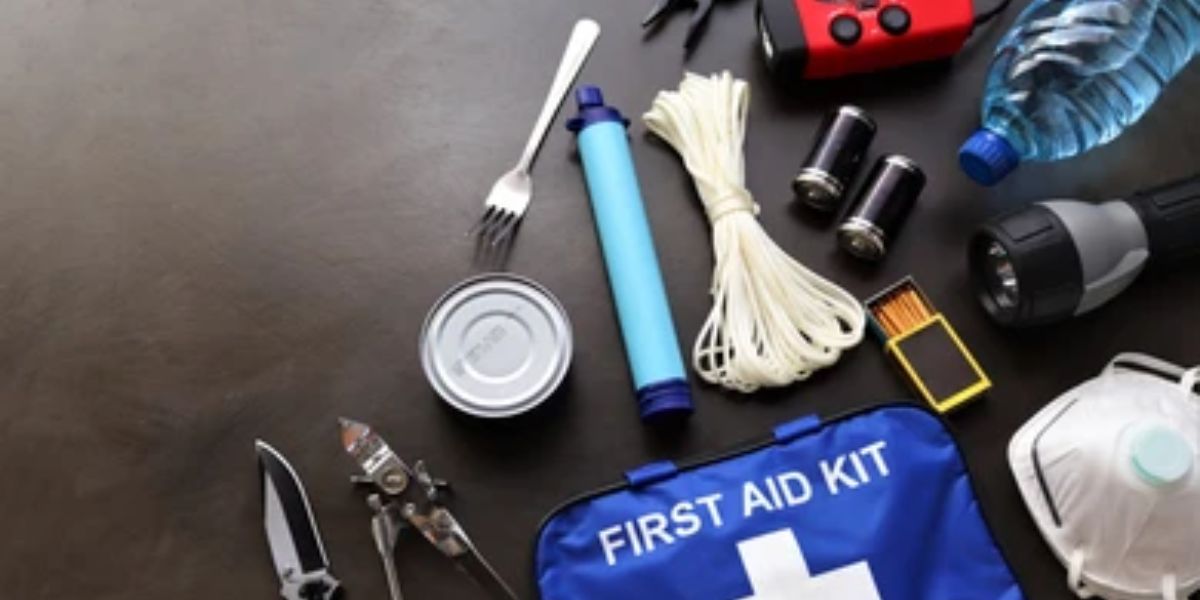
Keep a manual can opener and disposable utensils in your emergency kit. If you have dietary restrictions or young children, make sure your storage plan includes specialty foods that meet their needs.
Storing Food Safely in Los Angeles’ Climate
Because LA can experience high summer temperatures, it’s vital to store your food and water away from direct heat sources. A shaded garage, closet, or basement area is ideal. Avoid attics or outdoor sheds where heat can exceed 100°F.
Seal dry goods in airtight containers to protect against pests like ants and rodents, which are common in the area. For added protection, use oxygen absorbers in large containers of rice or beans to extend shelf life.
Label each item with the purchase or expiration date, and rotate supplies regularly. “Eat what you store, store what you eat” is a great rule of thumb—use your emergency foods occasionally and replace them with fresh stock.
Planning for Power Outages
During extended blackouts, knowing how to manage perishable items in your refrigerator or freezer is critical. A full freezer can keep food cold for up to 48 hours if the door remains closed; a half-full one for about 24 hours.
Consider investing in:
- Coolers with ice packs to extend the life of refrigerated food.
- Portable stoves or propane grills for cooking without electricity.
- Solar-powered lights or battery-powered lanterns for safe meal preparation.
Always store cooking fuel safely outside living areas and follow local fire regulations, especially during wildfire season.
Don’t Forget Pets and Special Needs
Los Angeles is a city full of pet lovers, and your furry companions need emergency provisions too. Store extra food, water, and medications for pets, ideally enough for at least two weeks.
Households with infants, seniors, or people with medical conditions should stock specialized supplies such as formula, medical nutrition shakes, and prescription medications. Keep prescriptions in clearly labeled containers and rotate them before expiration dates.
Community-Level Preparedness
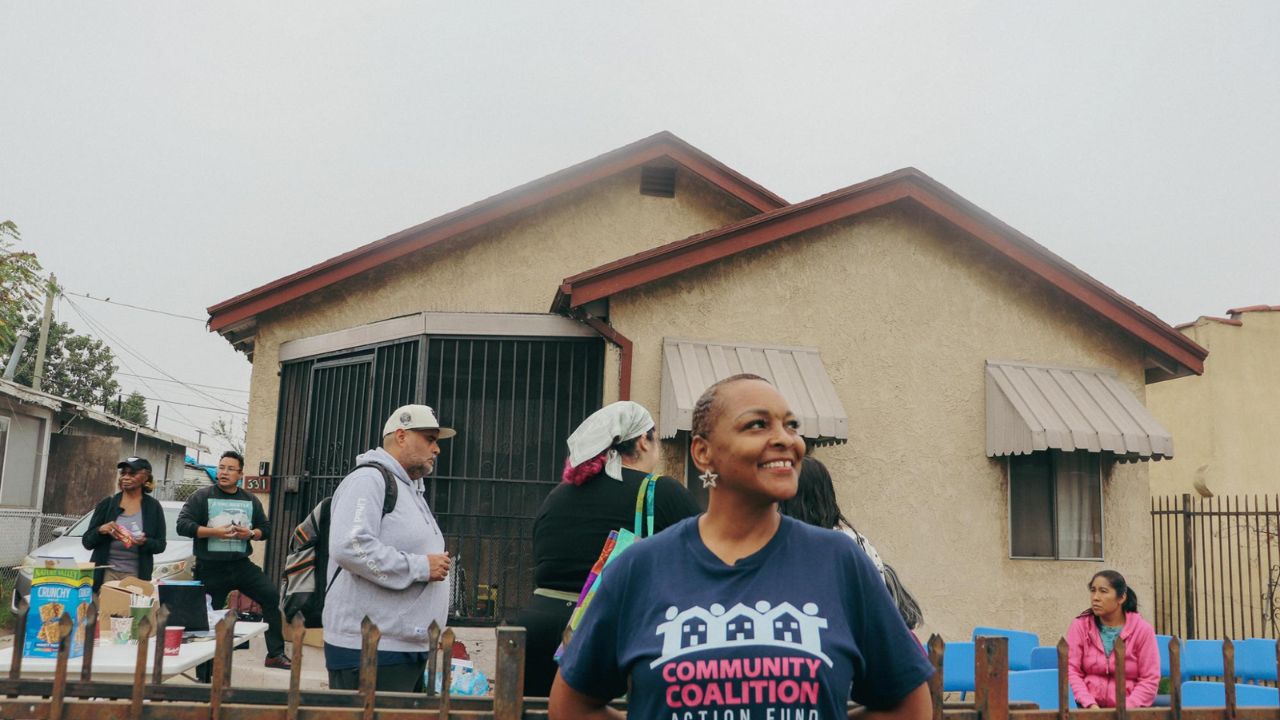
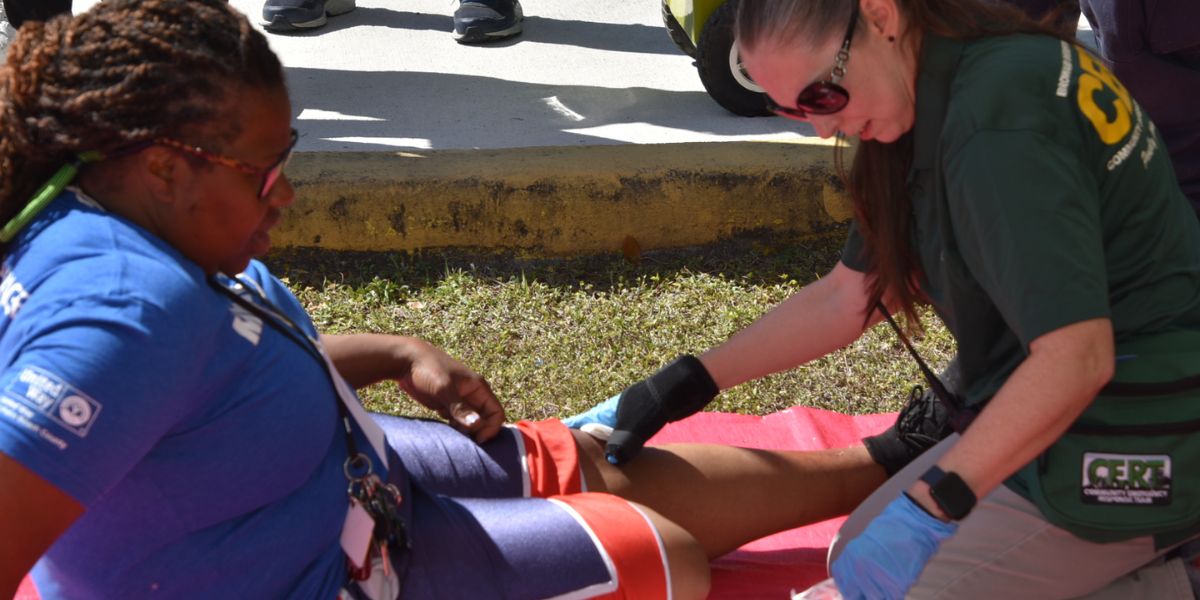
Individual preparedness goes hand-in-hand with community resilience. Los Angeles neighborhood councils and CERT (Community Emergency Response Team) programs regularly host workshops on emergency planning and storage techniques. Participating in these efforts not only strengthens your own household’s readiness but helps ensure your neighborhood can support vulnerable residents during disasters.
If your block or apartment complex doesn’t yet have a shared emergency plan, consider starting one. A few coordinated neighbors can pool resources, share storage space, and provide mutual support when access to stores or deliveries becomes limited.
Maintaining and Reviewing Your Supplies
Set a reminder twice a year—perhaps during Daylight Saving Time changes—to check expiration dates, test containers for leaks, and replenish items you’ve used. Many LA residents also align these checks with wildfire season announcements to stay consistent year-round.
Make sure everyone in your household knows where supplies are stored and how to access them quickly. Keep smaller emergency kits in cars and offices in case you’re away from home when disaster strikes.
Building Confidence Through Preparation
Preparedness isn’t just about survival—it’s about peace of mind. Having a plan in place means you’ll face uncertainty with confidence, knowing your family can sustain itself even when outside help takes time to arrive. In a sprawling city like Los Angeles, that independence can be lifesaving.
What do you think? Have you started your own food and water storage plan yet? Share your experiences or local preparedness tips in the comments below and help your neighbors stay ready at BeReadyLA.org.