As Los Angeles faces growing threats from wildfires, earthquakes, and extreme weather, many residents are realizing the importance of having a coordinated neighborhood safety plan. One powerful local resource helping Angelenos prepare is MySafe:LA, a nonprofit fire and life safety organization working alongside the Los Angeles Fire Department (LAFD) to improve community readiness. Whether you’re a homeowner, renter, or community leader, integrating MySafe:LA’s programs into your neighborhood plan can dramatically strengthen your local preparedness.
What is MySafe:LA?
MySafe:LA is a city-supported nonprofit focused on fire prevention, emergency education, and life safety training. The organization runs several outreach initiatives that include school education programs, senior safety checks, home hazard assessments, and wildfire prevention workshops.
Table of Contents
By combining data-driven insights with neighborhood engagement, MySafe:LA bridges the gap between citywide emergency response and local community action. Their goal is simple — help every Los Angeles neighborhood become safer and more resilient before disaster strikes.
Why MySafe:LA Matters for Los Angeles Communities
Los Angeles neighborhoods are incredibly diverse — from dense apartment zones in Koreatown to hillside communities in Griffith Park. Each faces distinct risks. MySafe:LA adapts its programs to these conditions, providing customized safety training and resources based on location, age group, and hazard exposure.
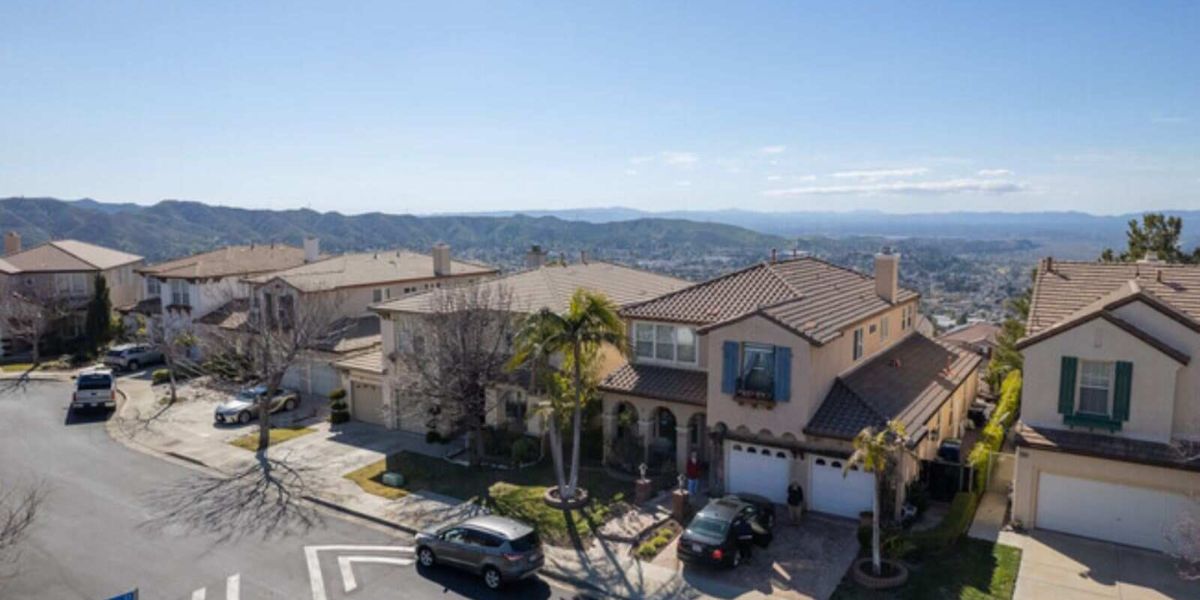
For example, hillside communities in Bel Air or Pacific Palisades can benefit from wildfire home assessments, while urban neighborhoods like Downtown LA or Boyle Heights might focus on apartment fire safety and earthquake readiness.
This tailored approach means every Angeleno can get practical, relevant information that truly fits their environment.
Steps to Integrate MySafe:LA into Your Neighborhood Plan
Working with MySafe:LA isn’t just about attending a class—it’s about building community capacity. Here’s how to include the organization’s resources in your neighborhood plan effectively:
1. Schedule a Home Safety Assessment
MySafe:LA offers free home safety assessments, where trained educators evaluate your smoke alarms, carbon monoxide detectors, and escape routes. They even install alarms for free when needed. These visits can easily become part of your block-level safety goals or home inspection routines.
2. Organize a Neighborhood Workshop
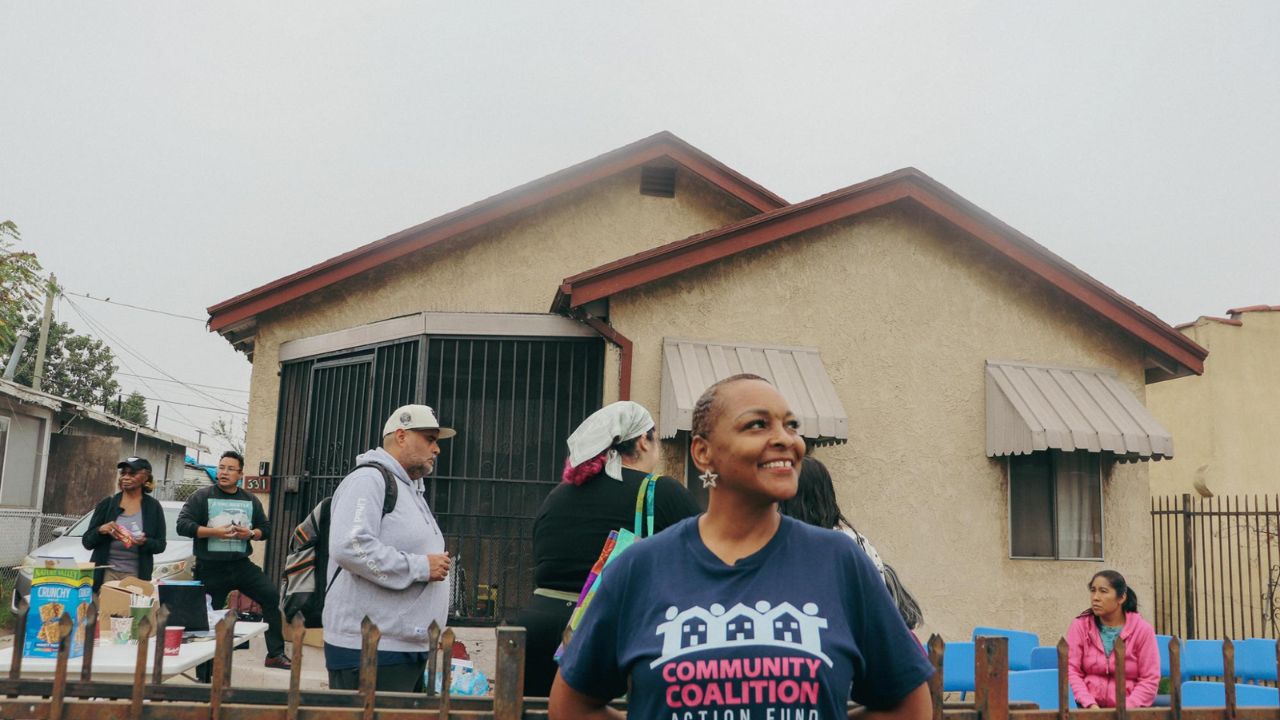
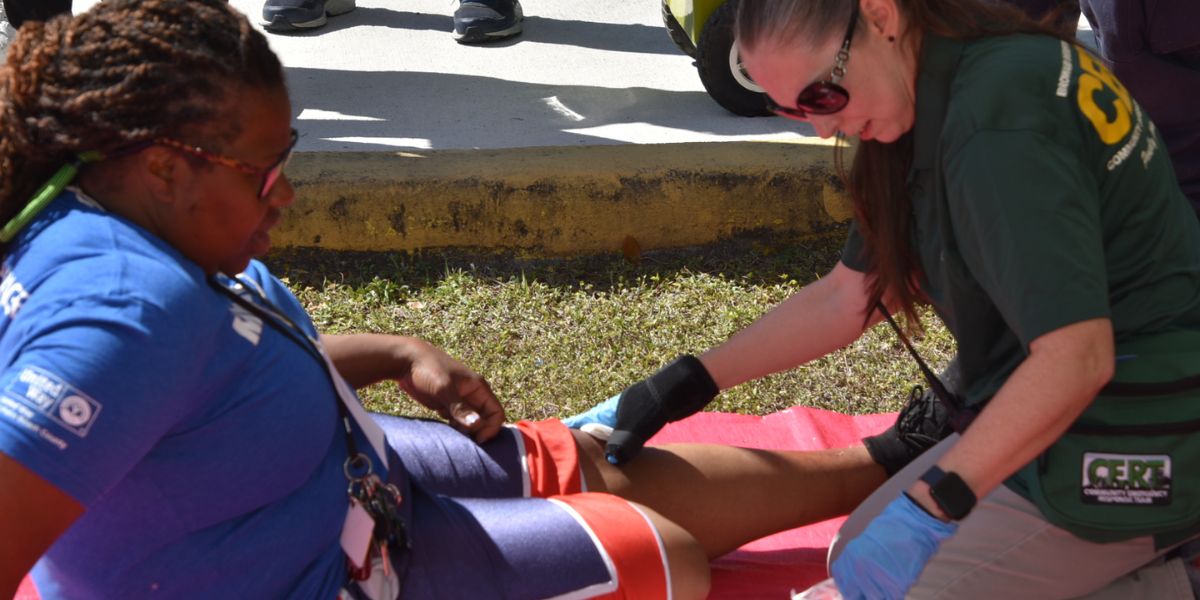
You can invite MySafe:LA educators to host a community training event. They’ll guide residents through fire prevention, evacuation planning, and disaster communication. It’s a simple way to bring your neighborhood together and encourage collective preparedness.
3. Include MySafe:LA Resources in Your Communication Plan
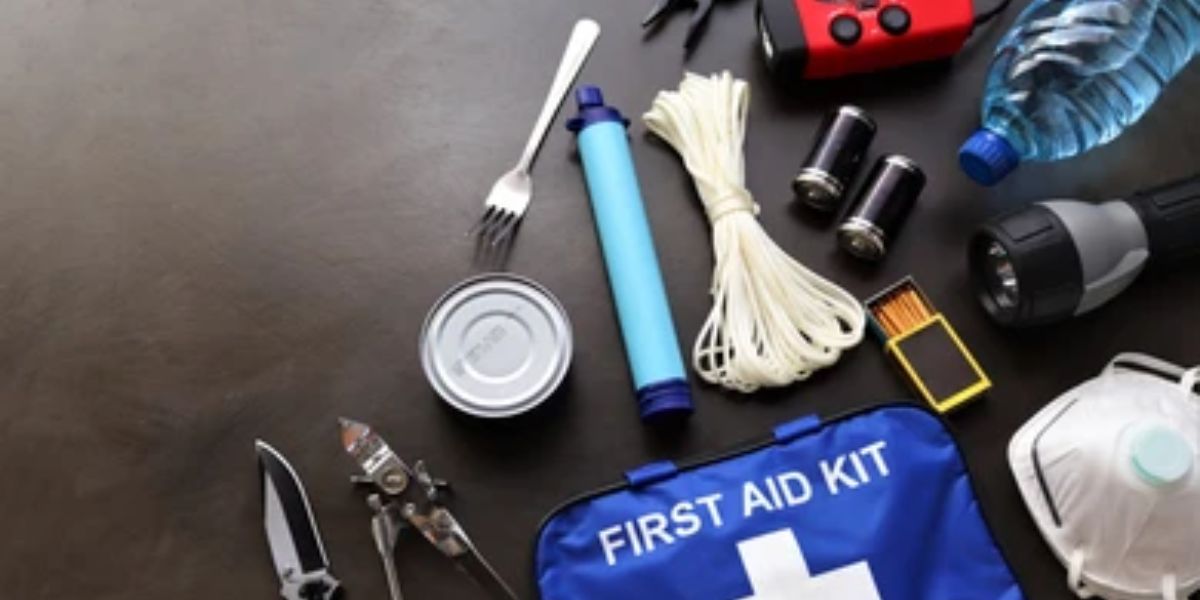
Integrate their handouts, videos, and training guides into your neighborhood newsletter or group chat. MySafe:LA provides downloadable resources that explain critical steps like how to shut off gas lines or prepare emergency kits—all of which can be standardized across your community.
4. Connect with Local Schools and Senior Centers
Encourage nearby schools, youth clubs, or senior facilities to partner with MySafe:LA. The organization runs age-specific safety education programs to teach fire escape techniques and earthquake safety. By extending these lessons to youth and older adults, your neighborhood plan can protect everyone—not just households.
5. Align Your Evacuation Plan with LAFD Guidelines
MySafe:LA works closely with the Los Angeles Fire Department, ensuring its advice aligns with official city protocols. Updating your neighborhood evacuation routes and signage based on their input ensures consistency with first responders during an actual emergency.
MySafe:LA and Wildfire Preparedness
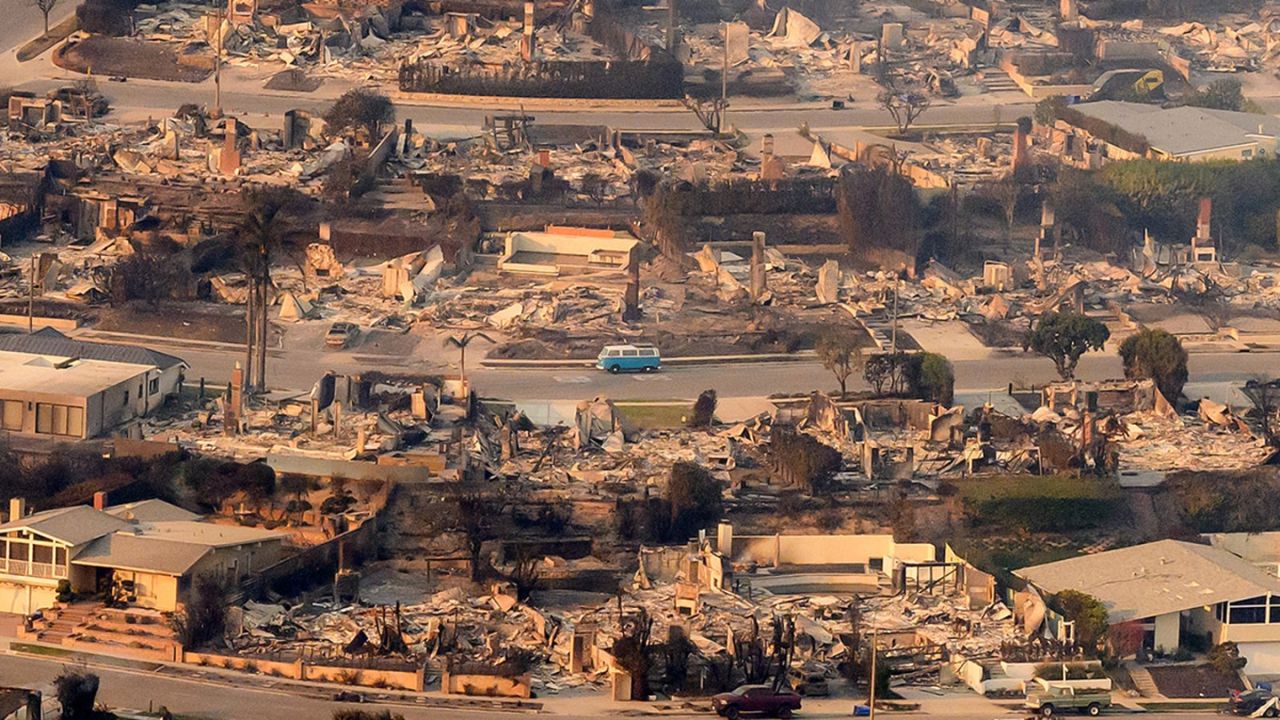
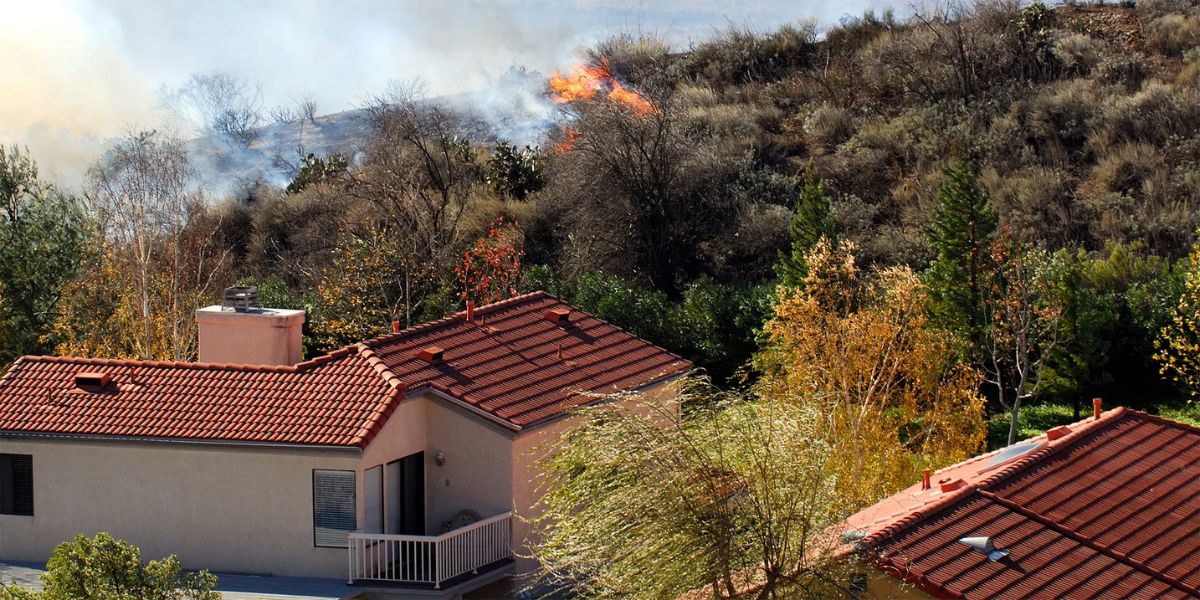
Los Angeles remains one of the most wildfire-prone urban regions in the United States. MySafe:LA’s Wildfire Prepared Home program focuses on home-hardening techniques, vegetation management, and evacuation drills.
If your community lies within the Very High Fire Hazard Severity Zone (VHFHSZ), these services are invaluable. Residents receive checklists on defensible space, ember-resistant vents, and proper landscaping materials—all vital for keeping homes safe when fire season peaks.
Engaging Your Neighborhood Council
Neighborhood councils play a key role in connecting residents with city programs. Propose adding MySafe:LA as a featured partner in your council’s safety committee agenda. Doing so helps secure training opportunities, resource-sharing, and potentially even funding for community drills.
Councils can also collaborate with MySafe:LA to conduct annual evacuation simulations, helping residents practice routes and refine communication networks before an actual crisis.
Using MySafe:LA’s Digital Tools and Resources
Visit the MySafe:LA website to access free online materials, including safety videos, printable guides, and emergency planning templates. Their online portal features tutorials on earthquake readiness, fire escape planning, and disaster communication networks.
These digital tools make it easier for neighborhoods to stay informed and adapt plans quickly as conditions change—especially during wildfire warnings or power outages.
Empowering Every Household in Los Angeles
Community resilience starts at home. By encouraging each household to participate in MySafe:LA programs, you can build a safety network that spans entire blocks. Simple actions like installing smoke alarms, creating go-bags, and sharing evacuation maps can collectively save lives.
As Maya Ortiz, an urban resilience planner in Los Angeles, often emphasizes:
“Preparedness isn’t just about reacting to emergencies—it’s about creating neighborhoods that can recover faster and protect one another when it matters most.”
Final Takeaway
Los Angeles residents have a powerful partner in MySafe:LA. By integrating their programs into your local emergency plan, you can turn individual preparedness into a community-wide strength. From wildfire mitigation to home safety training, these resources ensure your neighborhood stays informed, connected, and ready.
What do you think about Los Angeles’ local preparedness efforts? Share your thoughts or neighborhood experiences in the comments below on BeReadyLA.org.