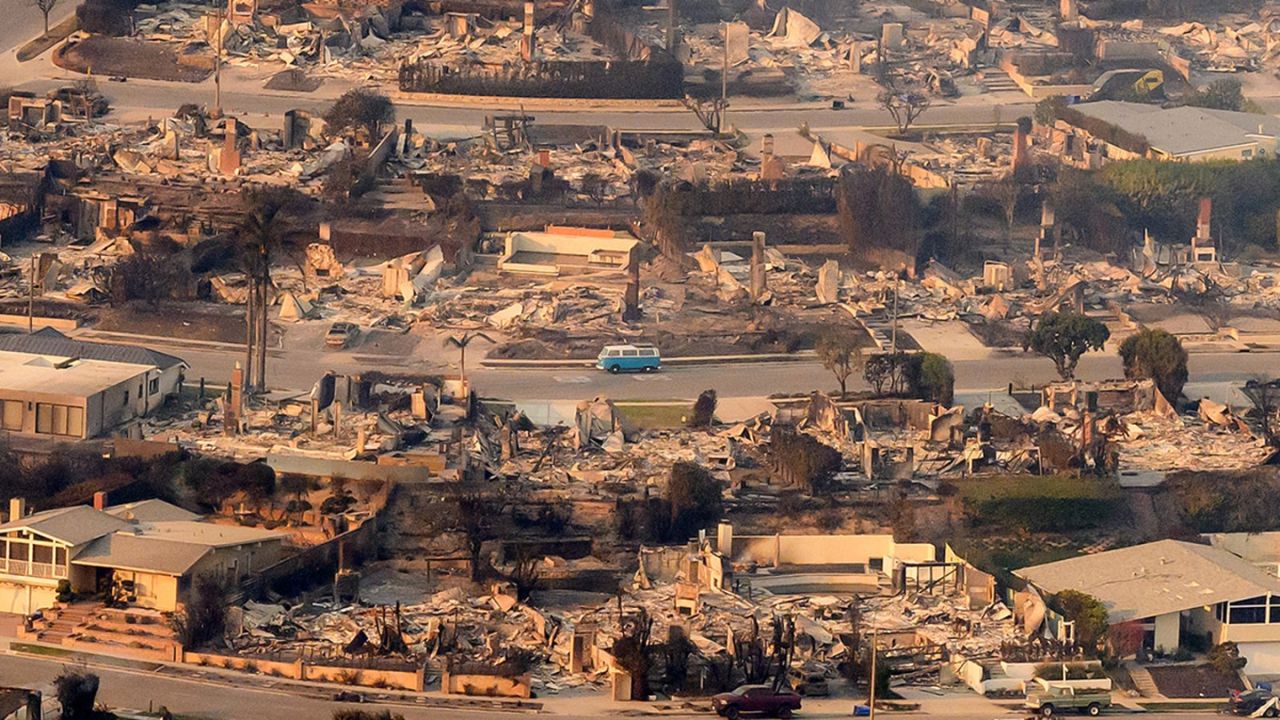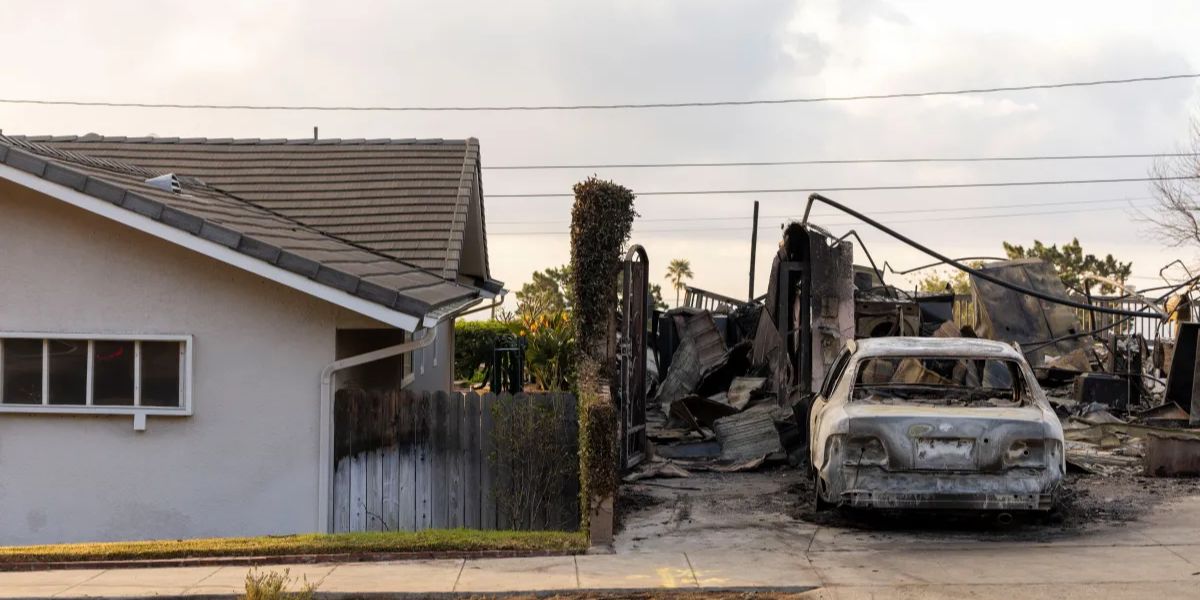
Los Angeles, CA – Every wildfire season in California brings the same uneasy mix of fear and urgency. Downed power lines, dry vegetation, and high winds can quickly turn small sparks into devastating blazes. But while utility companies are often the focus of wildfire discussions, the reality is that reducing fire risk requires both utilities and homeowners working hand in hand. Collaboration between these two groups can make the difference between another crisis and a community that’s ready and resilient.
Understanding the Shared Responsibility
Wildfire prevention isn’t a one-sided effort. Utility companies maintain vast electrical grids that stretch across rural foothills, suburban neighborhoods, and high-risk areas. When those lines meet dry brush or poorly maintained properties, the danger multiplies.
Table of Contents
On the other side, homeowners control the first line of defense—their own property. A single untrimmed tree or pile of debris near power infrastructure can increase ignition risk. When both sides act together, prevention becomes far more effective.
What Utility Companies Are Doing
In recent years, Los Angeles-area utilities like Southern California Edison (SCE) and Los Angeles Department of Water and Power (LADWP) have stepped up wildfire mitigation programs. Their efforts focus on reducing ignition sources and modernizing aging infrastructure.
Some of the most impactful initiatives include:
- Power line upgrades: Replacing bare wires with insulated conductors and installing covered power lines that prevent sparks.
- Smart grid technology: Using advanced sensors to detect faults before they cause fires.
- Vegetation management: Trimming and clearing vegetation along transmission corridors.
- Public Safety Power Shutoffs (PSPS): Temporarily turning off power during high-risk wind events to prevent ignition.
While these measures are expensive and complex, they have already helped prevent multiple potential fire starts across Southern California.
The Homeowner’s Role in Fire Prevention
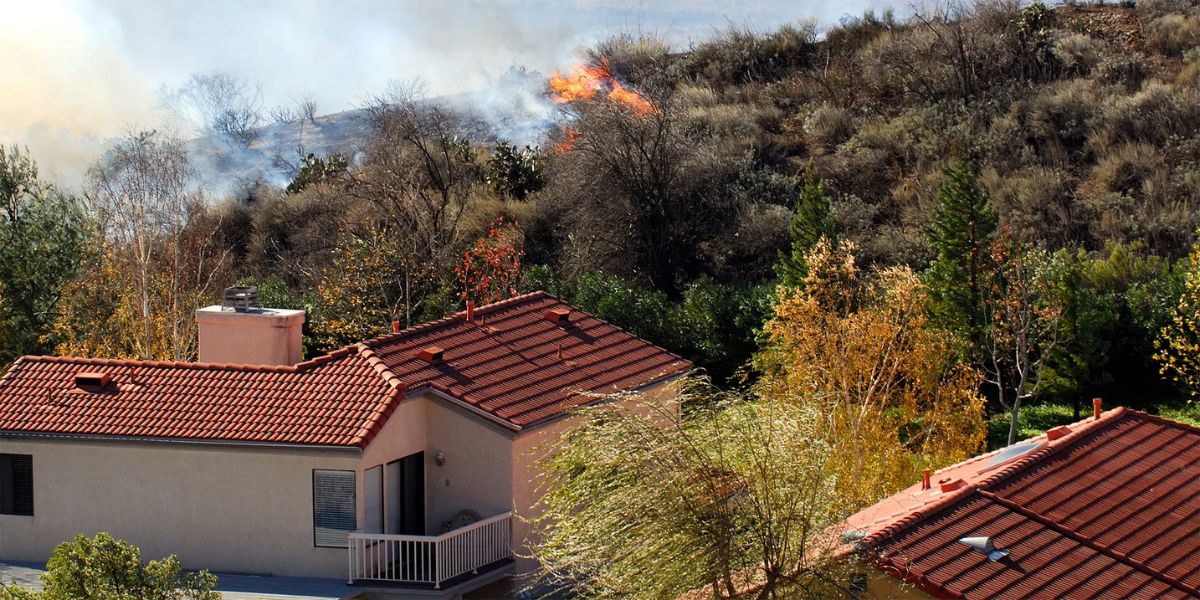
Homeowners in Los Angeles and surrounding areas can play a significant part in wildfire defense. The key lies in creating defensible space—a safety buffer around a property that slows or stops the spread of fire.
Practical steps include:
- Clearing dry vegetation within 30 feet of the home.
- Pruning trees and shrubs to keep branches away from power lines.
- Cleaning roofs and gutters of leaves, needles, and debris.
- Choosing fire-resistant plants and non-flammable mulch in landscaping.
- Checking power connections—especially for private solar panels, outdoor lighting, and irrigation systems—to ensure they are properly grounded and maintained.
When homes are maintained with fire safety in mind, utilities can do their job more effectively without added risk.
Building a Partnership Between Utilities and Communities
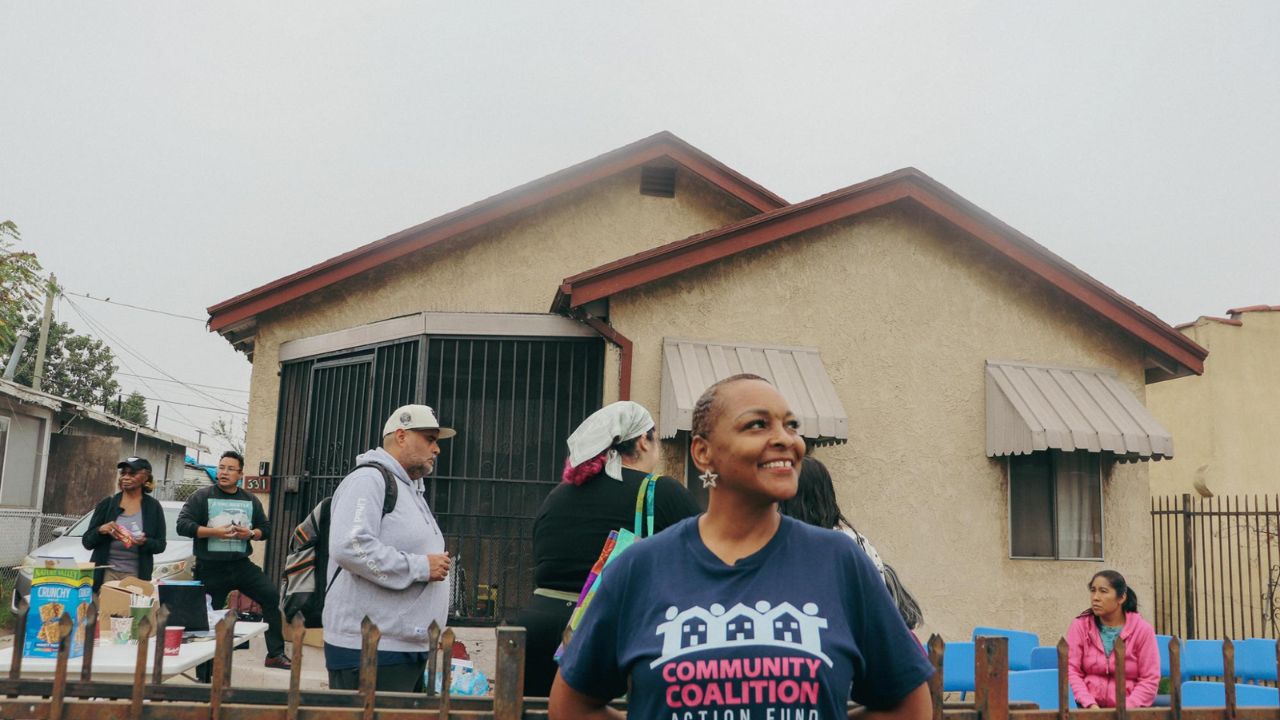
One of the most effective strategies emerging in Los Angeles is community-level coordination. Neighborhoods that collaborate with utilities often receive early alerts, priority vegetation maintenance, and better access to fire mitigation grants.
Some local utilities now host “community wildfire safety meetings”, where residents can ask questions about PSPS events, grid upgrades, and safety inspections. These meetings give homeowners the chance to report overgrown vegetation or damaged lines—information that utilities might otherwise miss.
By sharing information and participating in these events, homeowners help utilities identify and fix potential hazards before fire season peaks.
Leveraging Technology for Fire Prevention
Technology has become a vital bridge between utilities and residents. Many power companies use interactive fire-risk maps and real-time outage dashboards, helping homeowners stay informed about changing conditions.
Homeowners can complement these tools with smart home systems that detect smoke, monitor air quality, and even send alerts when local fire warnings are issued. Combining these technologies creates a communication loop that helps both utilities and residents respond faster during critical conditions.
The Role of Local Governments and Fire Agencies
In Los Angeles County, collaboration extends beyond private citizens and utilities. Fire departments, city planners, and environmental agencies are now coordinating with utilities to align vegetation management, building codes, and land-use policies.
For example, local governments have started integrating wildfire-resistant materials into building codes, while utilities provide grants or rebates to encourage adoption. These joint efforts strengthen entire communities and reduce ignition risks across both public and private land.
Overcoming Challenges
Despite progress, challenges remain. Homeowners often express frustration over PSPS events, while utilities face public criticism for outages or infrastructure failures. The key to overcoming these issues lies in communication and transparency.
When utilities explain why preventive power shutoffs are necessary and keep residents informed, trust improves. Similarly, when homeowners prepare their properties and understand fire behavior, they can adapt more easily to temporary power cuts or safety advisories.
Creating a Fire-Safe Future for Los Angeles
In Southern California’s climate, wildfire risk is never zero—but it can be reduced through cooperation. When utility companies upgrade infrastructure and homeowners maintain defensible spaces, the result is a stronger, more fire-adapted Los Angeles.
Both groups share the same goal: to protect lives, homes, and the natural beauty of the region. By aligning their actions, sharing data, and communicating year-round—not just during emergencies—Los Angeles can become a model for wildfire prevention nationwide.
Every small effort counts—from trimming a single tree branch to supporting local utility safety programs. Together, those efforts create a network of prevention that protects entire neighborhoods.
What steps has your community taken to reduce wildfire risk? Share your story or preparedness ideas with us at bereadyla.org and help inspire other Angelenos to stay fire-safe.