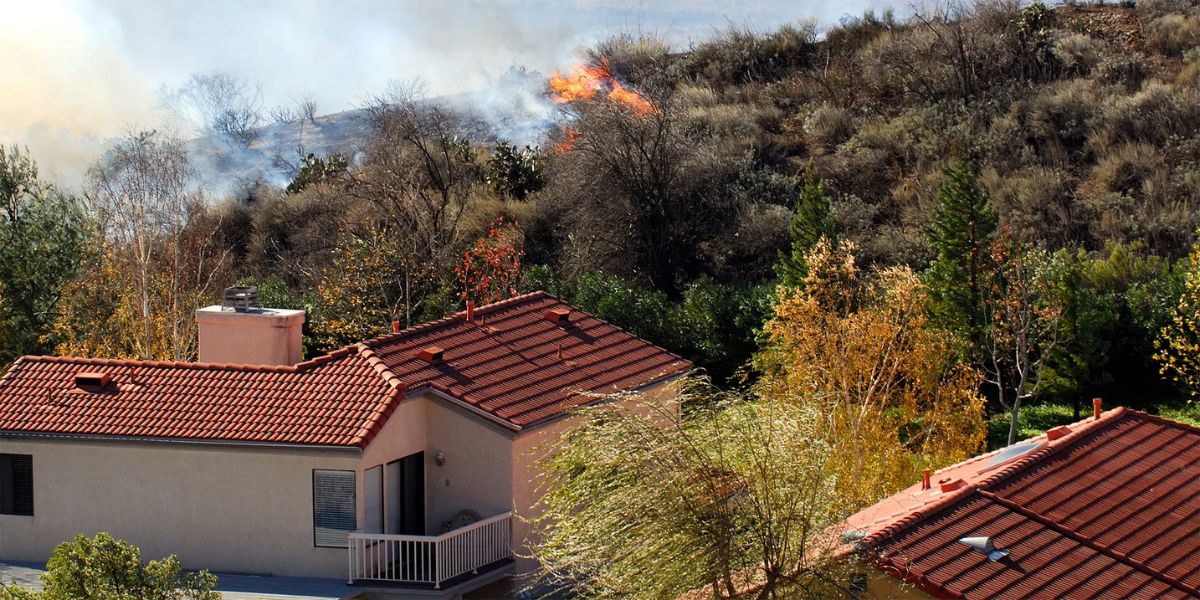
Los Angeles residents face a variety of natural disasters, from earthquakes and wildfires to power outages and floods. Being prepared with the right emergency supplies can make all the difference during an emergency. Whether you’re a long-time Angeleno or a new resident, it’s essential to have a well-stocked emergency kit to ensure the safety of you and your loved ones. In this article, we’ll cover the key emergency supplies that every household in Los Angeles should have on hand.
1. Water and Hydration Supplies
In an emergency, access to clean drinking water is essential. The Southern California region is prone to droughts and emergencies like earthquakes, which can disrupt water supply.
Table of Contents
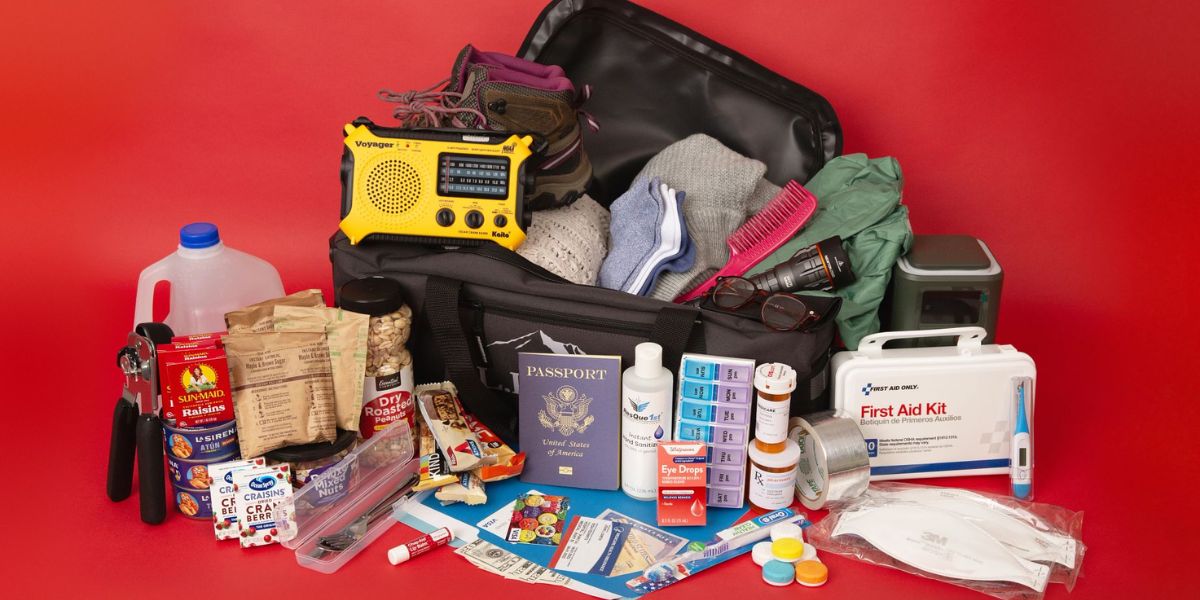
- Water Storage: It’s recommended to store at least one gallon of water per person, per day, for at least three days. This will provide enough water for drinking, cooking, and sanitation.
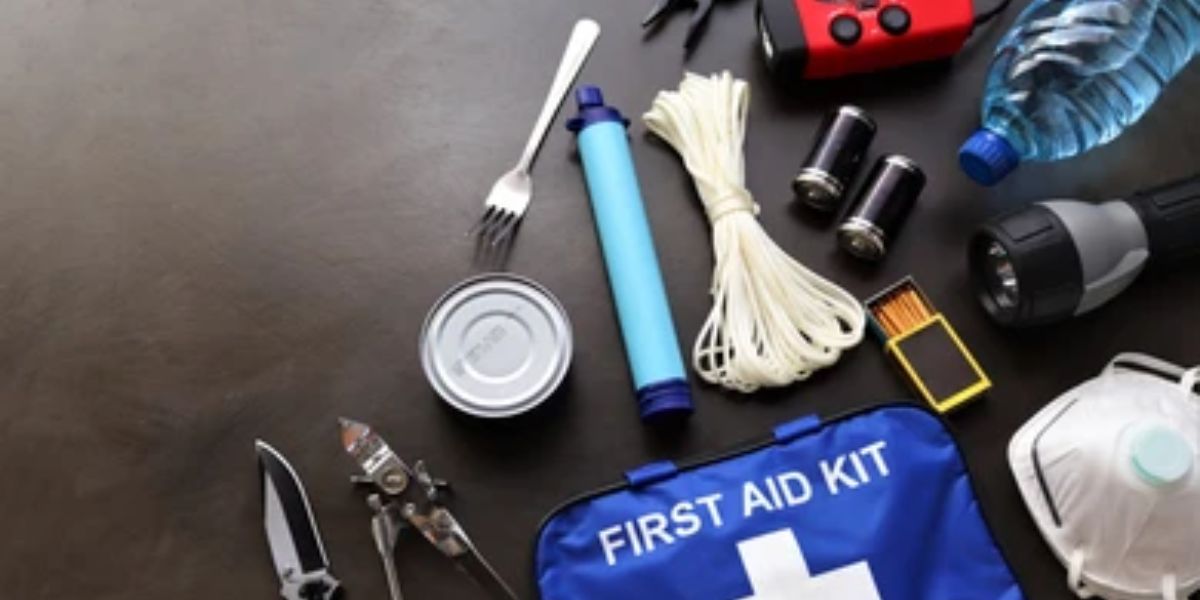
- Water Filtration: In case of supply disruptions, a portable water filter or water purification tablets can be vital.
2. Non-Perishable Food
Food security during emergencies is just as important as access to clean water. Since grocery stores might not be accessible in the aftermath of a disaster, having a supply of non-perishable food is crucial.
- Canned Goods: Store items such as canned beans, vegetables, fruits, meats, and soups. These foods typically have a long shelf life and are easy to prepare.
- MREs (Meals Ready to Eat): If you want a more convenient option, MREs are pre-packaged meals designed for survival situations.
- High-Energy Snacks: Granola bars, nuts, and dried fruits are perfect for quick energy and are easy to store.
3. First Aid Kit
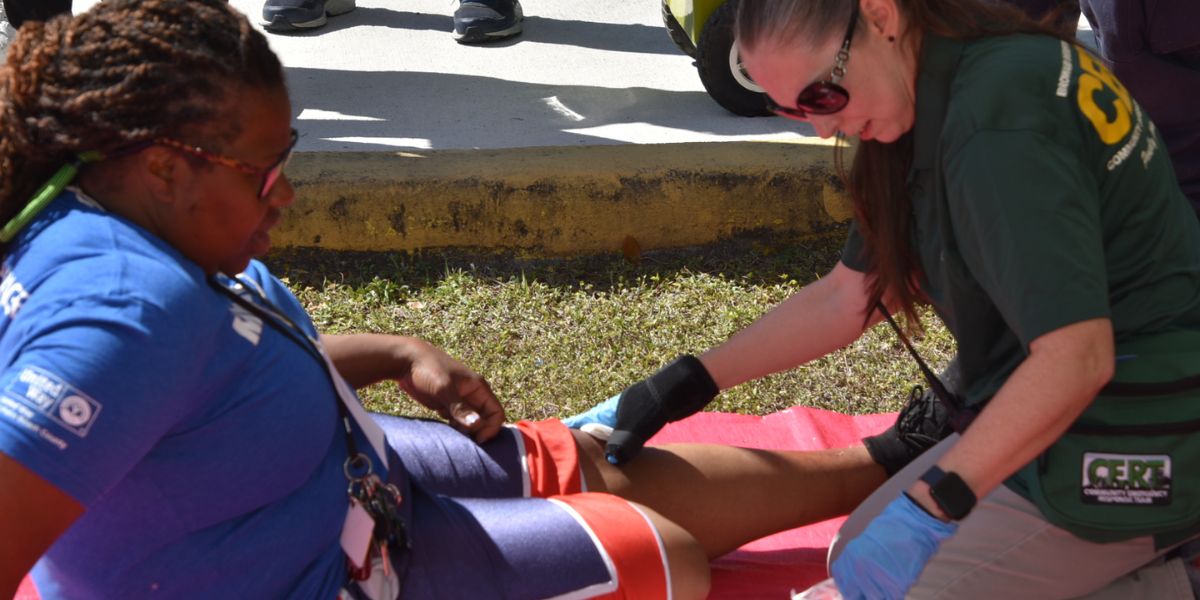
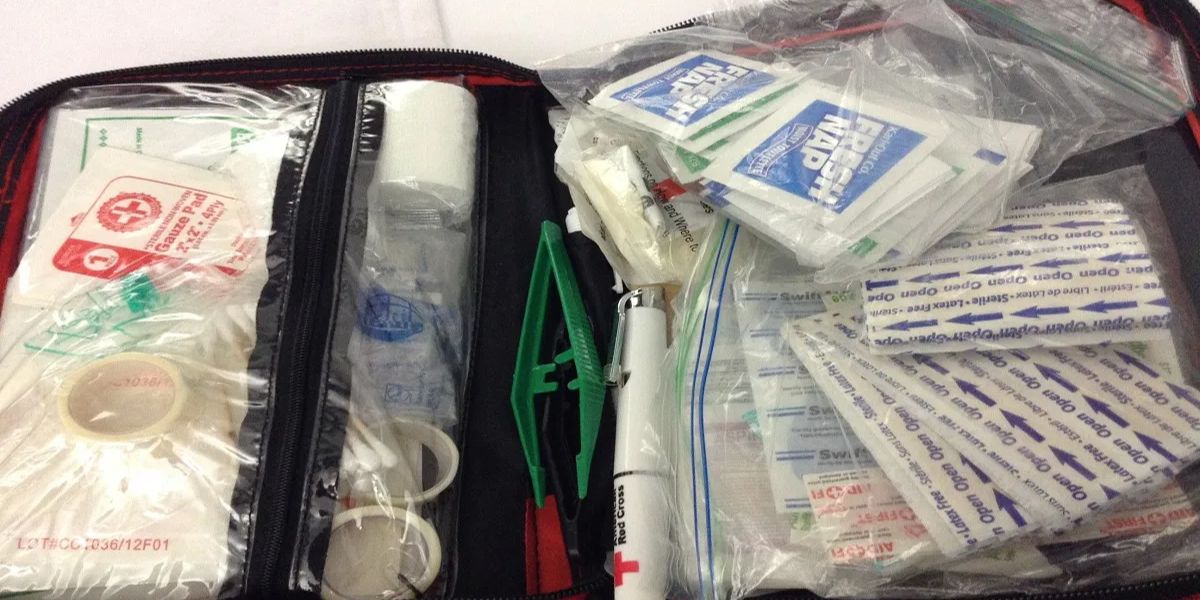
Accidents can happen during any emergency, and having a first aid kit readily available can save lives.
- Basic Supplies: Your first aid kit should include bandages, gauze, antiseptic wipes, medical tape, tweezers, and scissors.
- Prescription Medications: If you or your family members take any prescription medications, make sure to have an extra supply in your emergency kit. Don’t forget to include over-the-counter medications like pain relievers, antacids, and allergy medicine.
4. Flashlights and Batteries
Power outages are common during earthquakes, wildfires, and other disasters. It’s crucial to have reliable light sources on hand.
- LED Flashlights: Choose LED flashlights because they are energy-efficient and long-lasting.
- Battery-Powered Lanterns: These provide better coverage than a single flashlight and can light up an entire room or outdoor area.
- Extra Batteries: Make sure to have a good stock of batteries for your flashlights, lanterns, and any other battery-powered devices in your kit.
5. Portable Charger and Power Bank
In an emergency, you’ll likely rely on your phone to stay connected with family, friends, or emergency services. A dead phone is a major inconvenience.
- Portable Power Banks: These allow you to charge your phone without relying on electricity, which can be especially useful during long power outages.
- Solar Chargers: Solar-powered chargers can provide an extra layer of preparedness, as they work without needing access to the grid.
6. Battery-Powered Radio
Staying informed is essential during a disaster. A battery-powered radio will help you receive critical information about evacuation routes, weather updates, or shelter locations.
- NOAA Weather Radio: Consider investing in a NOAA Weather Radio, which provides continuous broadcasts of weather and emergency information from the National Oceanic and Atmospheric Administration (NOAA).
- Multi-Function Radio: Some radios also include a flashlight, USB charger, or solar panel for additional functionality.
7. Multi-Tool or Swiss Army Knife
A multi-tool is a must-have item in any emergency kit. It can serve a variety of purposes, from cutting to opening cans or even repairing gear. These tools often include:
- Knife: Useful for cutting through ropes, packaging, or even first-aid tasks.
- Screwdrivers: Can help with fixing or opening things around the house.
- Pliers: Essential for tasks such as gripping, bending, or tightening items.
8. Important Documents and Cash
In an emergency, having access to essential documents can be crucial. Consider keeping these items in a waterproof, fireproof container:
- Identification: Copies of identification documents, including your ID, passport, and any essential family records.
- Insurance Information: Keep a copy of your home, auto, and health insurance information handy.
- Cash: During a disaster, ATMs may not be functional. It’s wise to keep some cash in small bills for emergency purchases.
9. Whistle and Signal Devices
Communication can be challenging during a disaster, especially if you’re trapped or need help. A whistle can help you signal for attention when needed.
- Whistle: Keep a loud, durable whistle in your emergency kit to alert rescuers or others.
- Flare or Signal Mirror: These tools are helpful if you need to signal for help, especially in outdoor or wilderness settings.
10. Fire Extinguisher and Emergency Tools
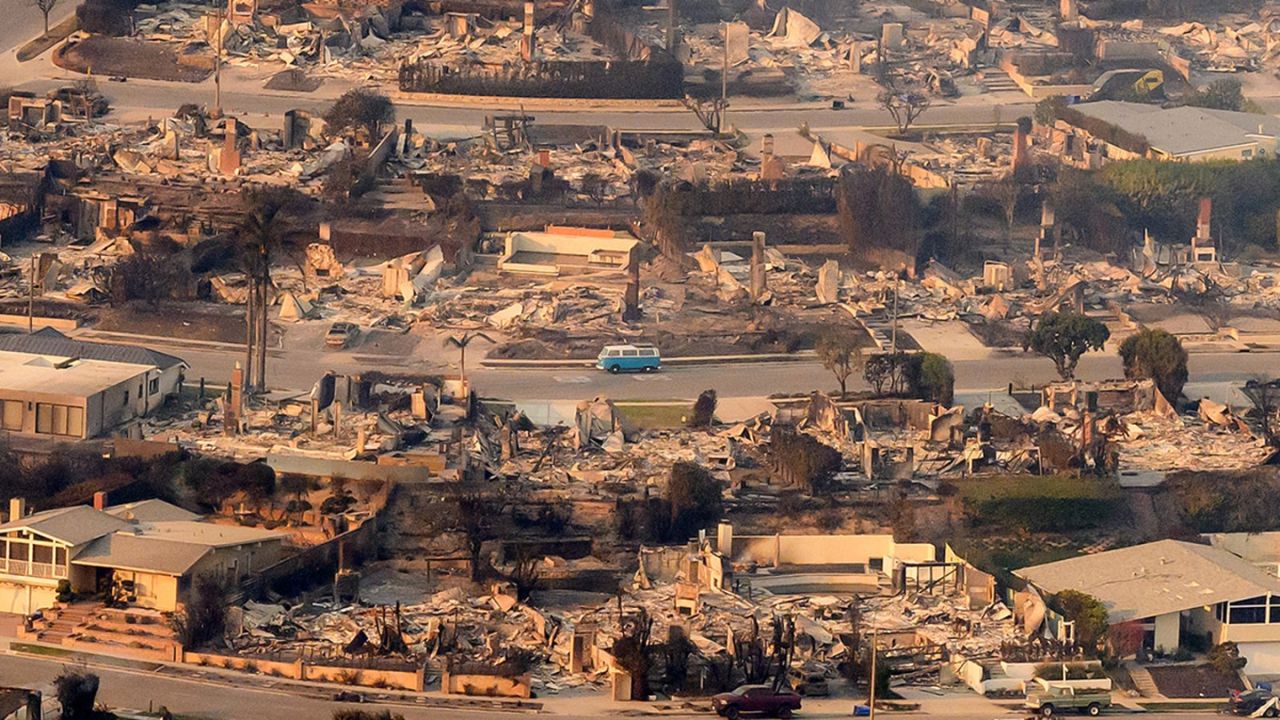
Los Angeles residents, particularly those living in fire-prone areas, should always have a fire extinguisher within reach. Wildfires are a real threat, and quick action can prevent devastating losses.
- Fire Extinguisher: Ensure you have at least one fire extinguisher in your home, especially in the kitchen or near any flammable materials.
- Emergency Tools: Tools like a crowbar, utility knife, or shovel can help in evacuation or clearing debris after an event.
Conclusion
Being prepared with the right emergency supplies is essential for every household in Los Angeles. The unpredictable nature of natural disasters means you should be proactive and stock your home with essential supplies. From water and food to first aid kits and power sources, having a well-organized emergency kit can provide peace of mind and safety in times of crisis.
Ready to start your emergency preparedness journey? Visit BeReadyLA for expert resources on creating a comprehensive emergency plan for your household. Don’t wait—make sure you’re ready for any disaster that comes your way!