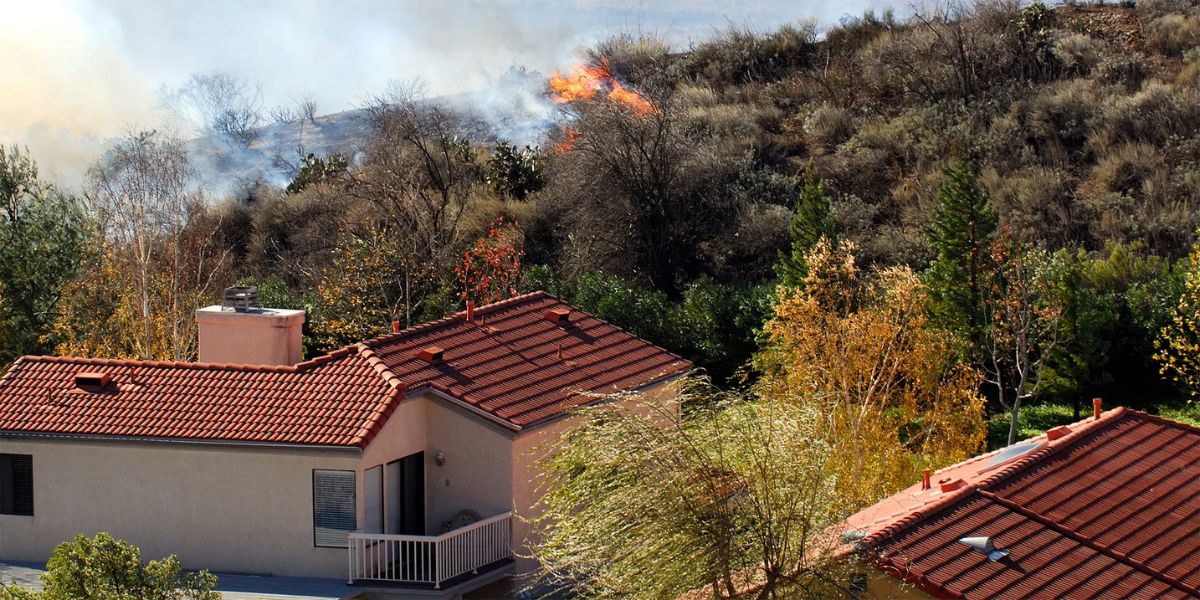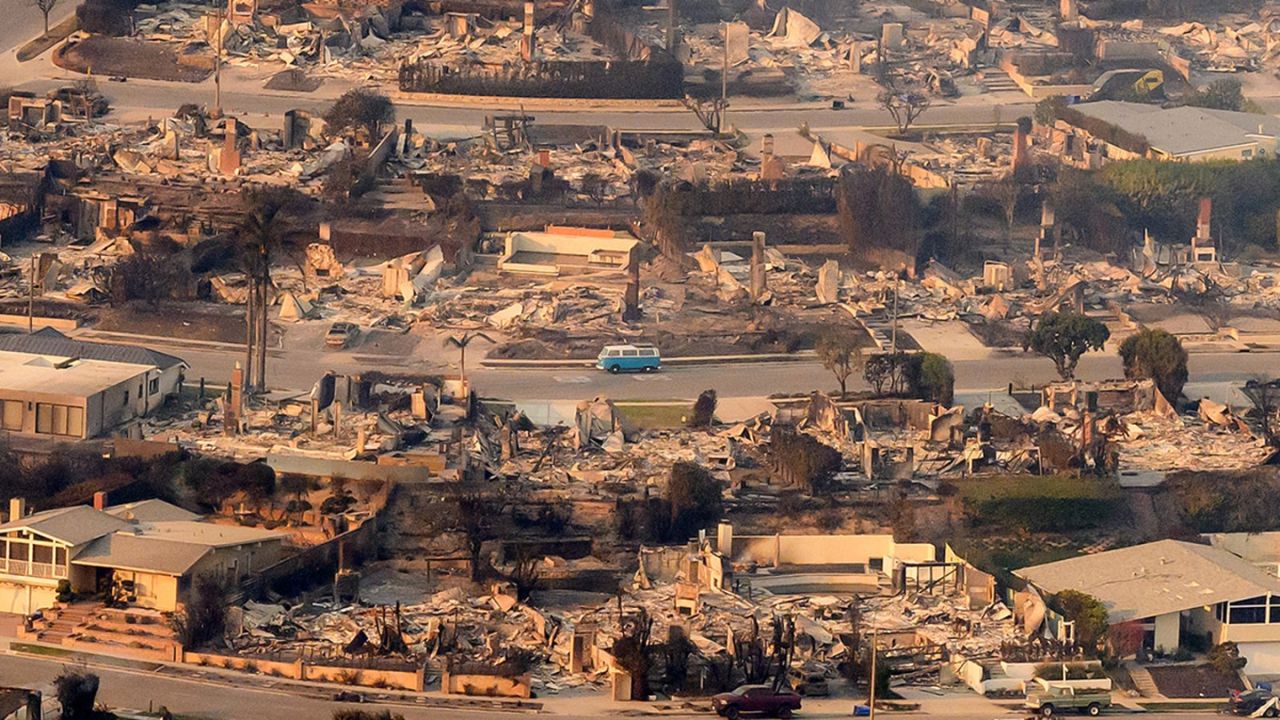
Los Angeles, known for its diverse population and proximity to natural hazards like earthquakes, wildfires, and floods, faces unique challenges when it comes to disaster preparedness. Among these challenges, the safety and well-being of vulnerable populations—such as the elderly, disabled individuals, low-income residents, and those with language barriers—require particular attention. Ensuring that these communities are adequately prepared for emergencies is not only a moral obligation but also crucial for the city’s resilience in the face of disasters.
Understanding Vulnerable Populations in Los Angeles
Vulnerable populations are those individuals or groups who may be more at risk during a disaster due to their physical, social, or economic circumstances. In Los Angeles, these populations include:
Table of Contents
- Elderly individuals: Seniors may face mobility issues or chronic health conditions that make evacuation and access to resources difficult.
- Low-income residents: Those without financial resources may struggle to afford evacuation, shelter, or medical care during an emergency.
- People with disabilities: Physical, cognitive, or sensory impairments may make it harder for individuals with disabilities to receive warnings, evacuate, or access critical services.
- Non-English speakers: Language barriers can prevent many residents from receiving vital disaster-related information in a timely and effective manner.
- Homeless individuals: The homeless population often faces unique challenges, including lack of shelter, transportation, and access to emergency services.
Understanding these needs is the first step in ensuring a more inclusive and effective disaster preparedness plan for Los Angeles.
Key Strategies for Disaster Preparedness
Effective disaster preparedness for vulnerable populations requires proactive planning, community engagement, and coordination between local authorities and support organizations. Here are some key strategies that can help make Los Angeles more resilient in the face of disasters:
1. Inclusive Emergency Plans
Emergency planning must account for the specific needs of vulnerable populations. This means creating detailed evacuation plans that include accessible transportation options for those with mobility challenges and ensuring that evacuation shelters are fully accessible to people with disabilities. Additionally, communication strategies should be tailored to include multi-lingual support and alternative formats for those with sensory impairments, such as sign language interpreters or braille materials.
2. Community Outreach and Education
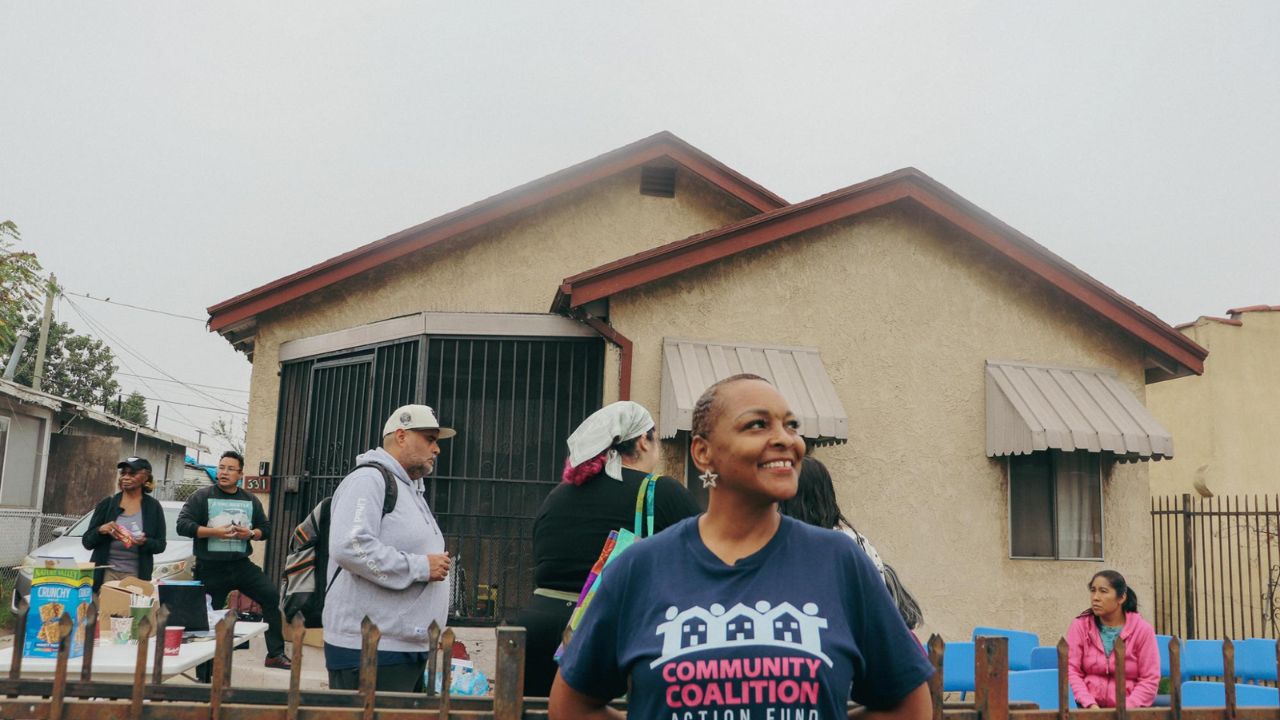
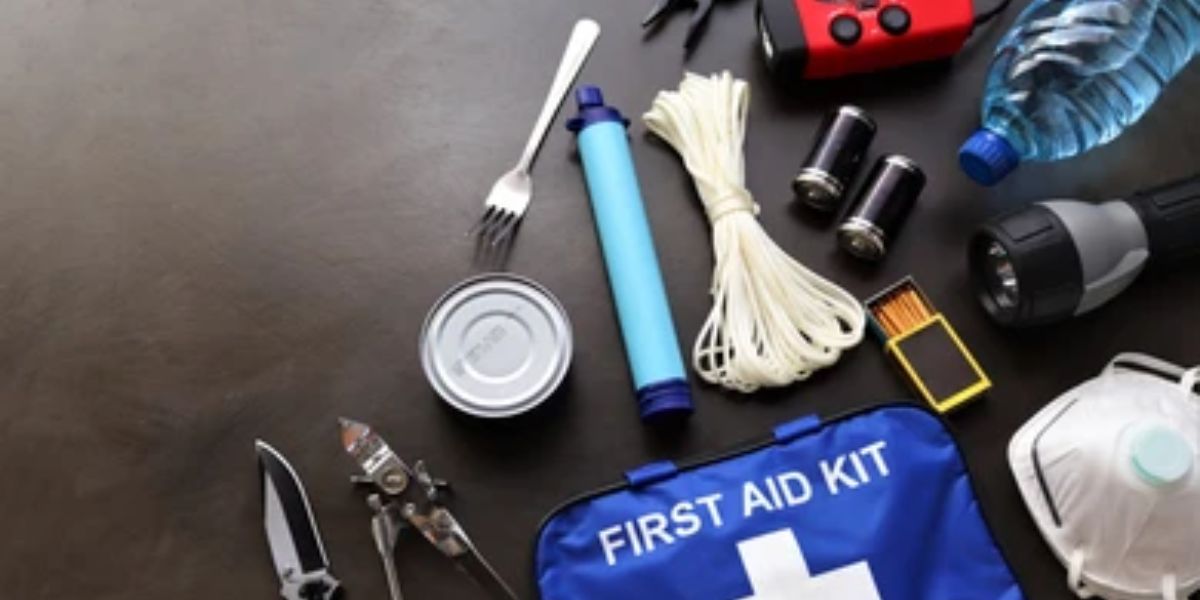
Community outreach is crucial for reaching vulnerable populations who may not be aware of the risks or resources available to them during an emergency. Local organizations and community centers should collaborate with city officials to provide disaster preparedness workshops, distribute emergency kits, and offer information about evacuation routes, shelters, and first aid. These workshops should be designed to be inclusive, offering materials in multiple languages and formats.
Additionally, public service announcements and alerts should be accessible to non-English speakers and those with hearing or vision impairments. The city can partner with local media, including ethnic and community radio stations, to disseminate this information to a broader audience.
3. Building Community Networks
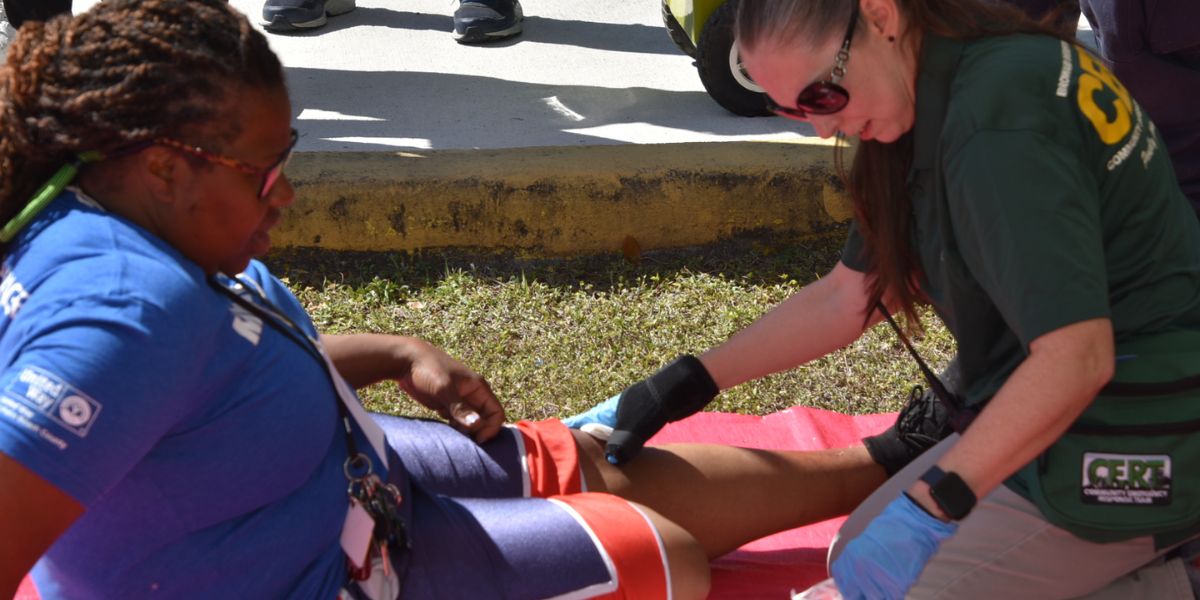
In times of crisis, strong community networks can be lifesaving. Los Angeles should encourage the formation of neighborhood emergency response teams (CERT) that include representatives from vulnerable groups. These teams can be trained to assist in evacuations, provide first aid, and help distribute supplies to those who need them most.
Partnerships between local government agencies, nonprofit organizations, and community leaders can foster a spirit of cooperation and ensure that resources are distributed fairly and effectively. By including vulnerable individuals in the planning and response process, communities can better coordinate efforts to support those who are most at risk.
4. Accessibility to Resources
Access to essential resources such as food, water, medical care, and shelter is critical during a disaster. Los Angeles should ensure that shelters and relief centers are well-stocked with supplies that are suitable for vulnerable populations, including those with dietary restrictions, medical needs, and mobility issues. Furthermore, transportation networks should be enhanced to ensure that individuals without vehicles can reach these resources in a timely manner.
For individuals with disabilities, ensuring access to medical supplies and equipment, such as wheelchairs or oxygen tanks, is vital. Mobile health services can also play an essential role in reaching individuals who are unable to leave their homes.
5. Evacuation Assistance for Homeless Populations
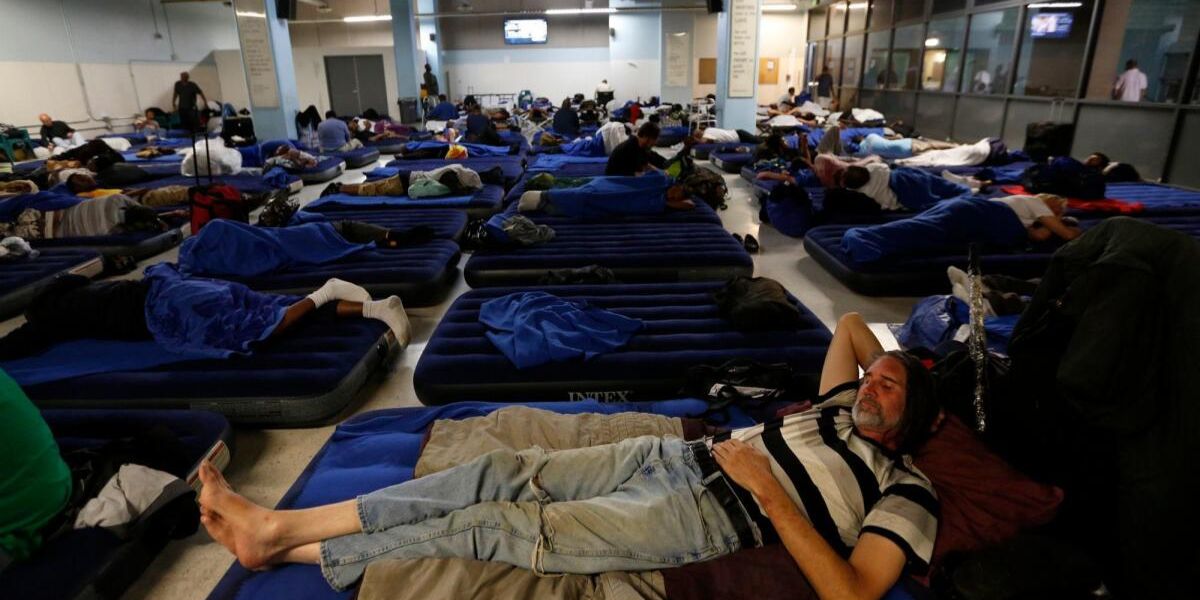
Homeless individuals often face the most significant challenges during disasters due to their lack of stable housing and access to emergency resources. Los Angeles should provide additional support for the homeless community by coordinating with shelters, faith-based organizations, and outreach programs to ensure they have a safe place to go during emergencies. Temporary shelters and designated safe zones should be made available for those who are unable to reach traditional shelters.
6. Collaboration with Service Providers
Los Angeles can work closely with local service providers, such as social workers, healthcare providers, and advocacy groups, to ensure that vulnerable populations are not overlooked. These providers can help identify individuals who may need extra assistance and ensure that they are included in the city’s emergency response efforts. Additionally, service providers can play a role in distributing resources, offering counseling, and providing long-term recovery support after a disaster.
Conclusion
In a city as large and diverse as Los Angeles, preparing for the unique needs of vulnerable populations requires a collective, community-driven effort. By integrating inclusive emergency plans, building strong community networks, and ensuring equal access to resources, Los Angeles can better protect its most at-risk residents during disasters.
As a community, it’s important to not only plan but also ensure that these plans are inclusive, accessible, and sustainable. Collaboration among government agencies, local organizations, and residents will create a more resilient city where everyone is ready to respond when disaster strikes.
As residents of Los Angeles, we all have a role to play in making our neighborhoods safer. Reach out to local organizations and community centers to learn more about disaster preparedness and how you can get involved in supporting vulnerable populations. Start preparing today and help create a stronger, more resilient Los Angeles for all its residents.