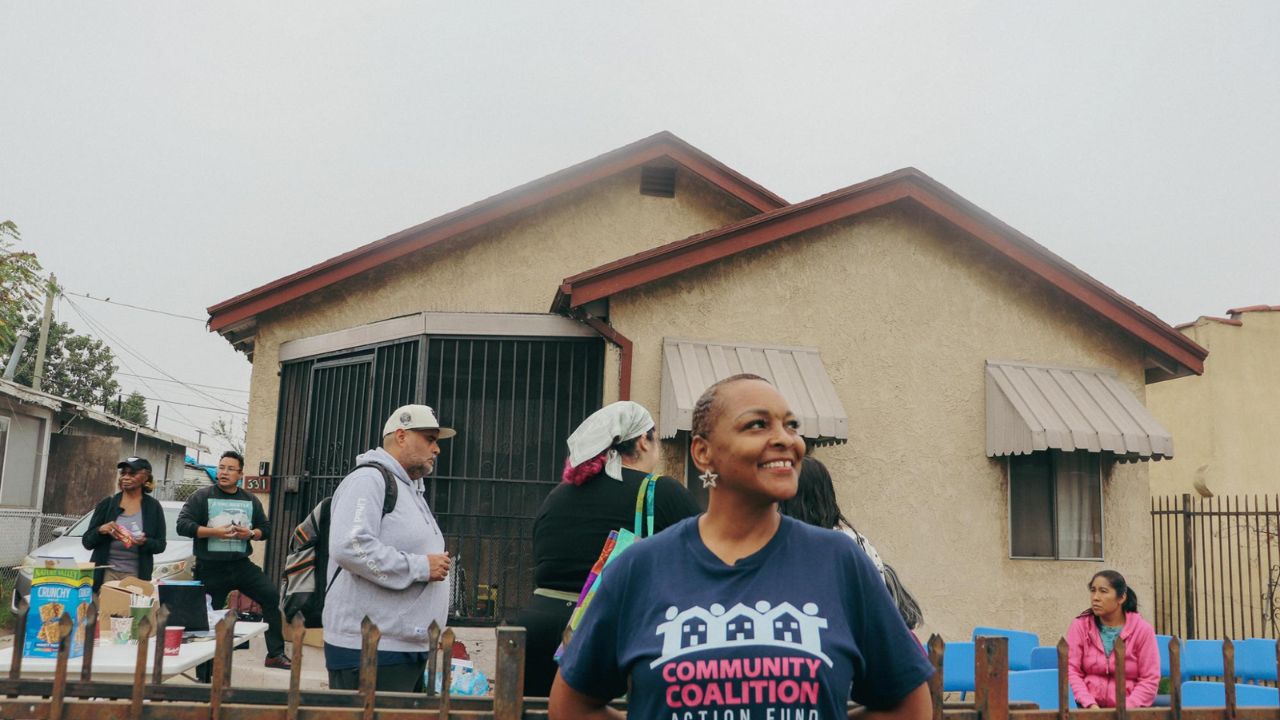
In a city as vast and complex as Los Angeles, emergency planning cannot be handled by government agencies alone. From earthquakes and wildfires to heatwaves and power outages, the scale of challenges facing Angelenos demands local collaboration. That’s where Neighborhood Councils come in — the bridge between residents and city agencies, playing a critical role in helping communities prepare, respond, and recover during emergencies.
Understanding the Importance of Neighborhood Councils
Neighborhood Councils are the foundation of local representation in Los Angeles. Established by the Los Angeles City Charter, they provide residents with a direct voice in city decisions, especially on matters affecting public safety and community well-being.
Table of Contents
During emergencies, these councils act as vital communication channels between residents and the Emergency Management Department (EMD). They help distribute accurate information, assess neighborhood needs, and ensure that no vulnerable group is left behind.
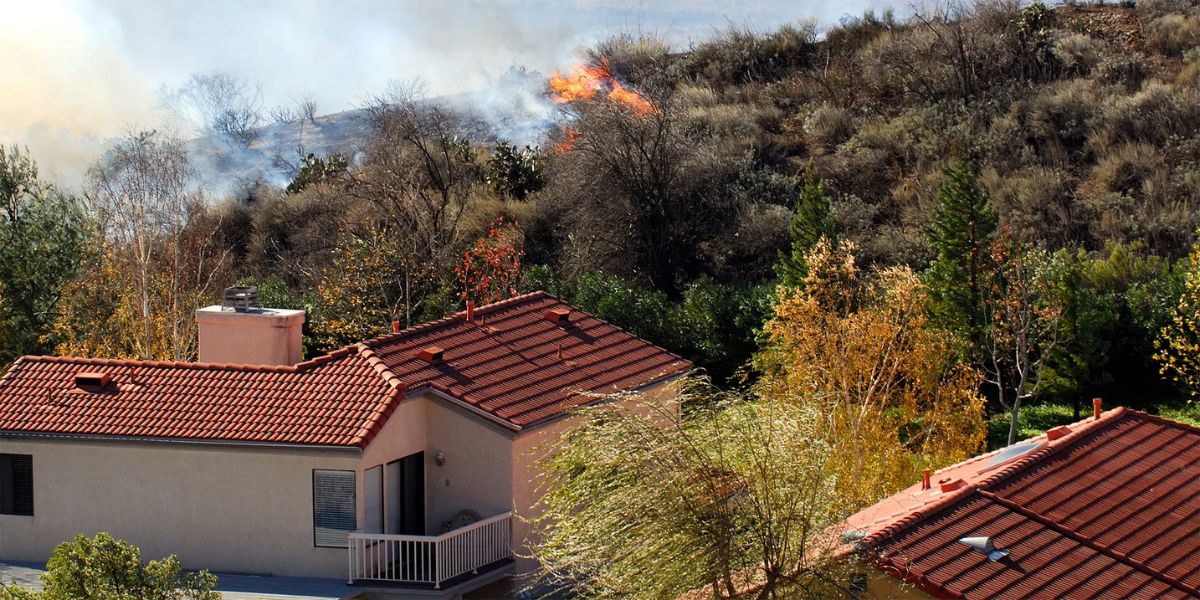
Each council represents a unique region with its own risks — coastal areas face storm surges, hillside zones face wildfires, and central neighborhoods must prepare for earthquake impacts and infrastructure failures. Councils tailor preparedness plans accordingly, making emergency planning more localized and effective.
Building Localized Response Networks
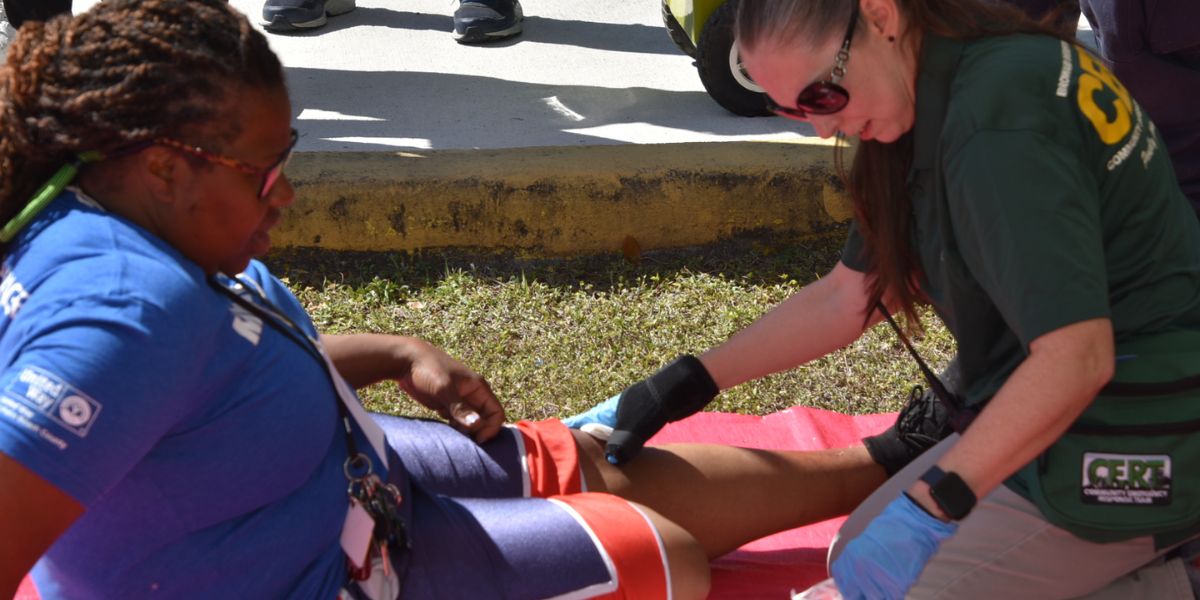
When disasters strike, local knowledge matters most. Neighborhood Councils help form Community Emergency Response Teams (CERTs) and volunteer groups who can respond immediately before professional responders arrive.
These teams are trained in:
- Basic search and rescue
- Fire suppression and first aid
- Evacuation coordination
- Shelter setup and communication
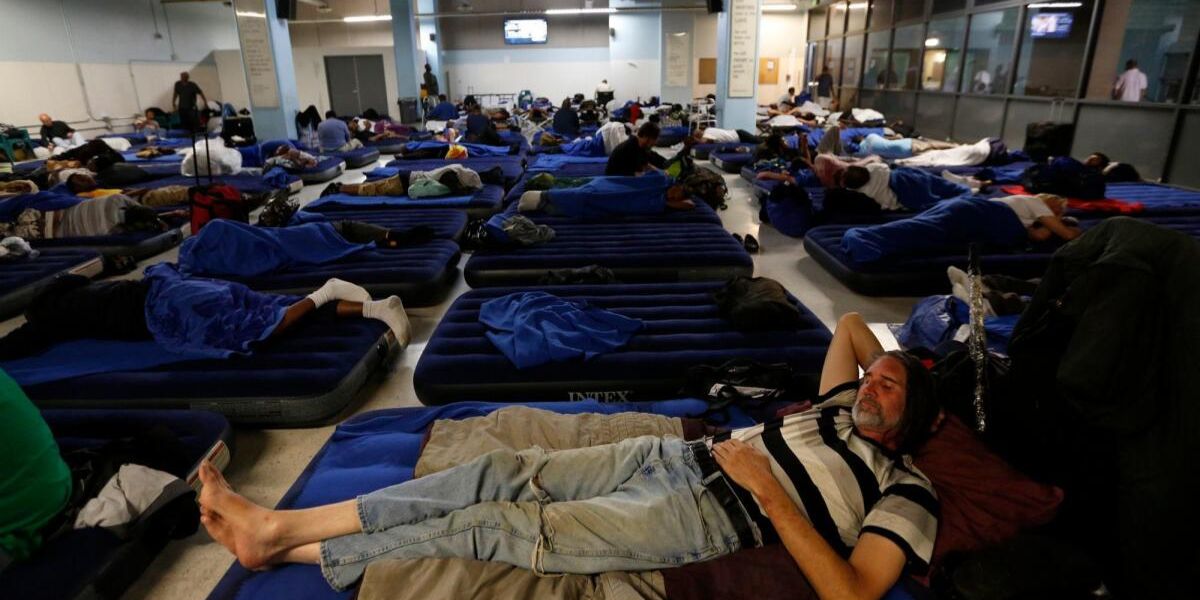
Because residents know their own terrain, resources, and vulnerabilities, councils can mobilize people quickly. They maintain updated contact lists, designate community leaders, and identify critical locations like schools, churches, and recreation centers that can serve as shelters or information hubs during crises.
Partnering with City and County Agencies
Neighborhood Councils collaborate closely with city departments such as the Los Angeles Fire Department (LAFD), Department of Water and Power (LADWP), and Public Works to align community-level efforts with official response plans.
For instance, during wildfire season, councils in the foothill communities often coordinate with LA County Fire for fuel reduction projects and evacuation awareness drives. In earthquake preparedness, they work with Ready Your LA Neighborhood (RYLAN) and EMD to train residents in post-quake response.
By maintaining this coordination, councils help ensure that local plans integrate seamlessly into the larger emergency response system.
Engaging Residents Through Training and Outreach
Preparedness starts long before an emergency hits — and Neighborhood Councils excel at community engagement. They host regular workshops, drills, and public meetings to educate residents about topics like earthquake safety, evacuation planning, and emergency supplies.
Events like “ShakeOut” earthquake drills, wildfire town halls, and emergency kit fairs have proven to be effective in motivating residents to take preparedness seriously. Many councils also partner with nonprofits and schools to develop youth engagement programs that teach the next generation of Angelenos how to respond to disasters confidently.
Moreover, councils use digital platforms — from social media pages to email alerts — to spread timely information. In a crisis, these networks become critical tools for real-time updates and community check-ins.
Supporting Vulnerable Populations
Not all residents have equal access to resources or mobility during emergencies. Neighborhood Councils are instrumental in identifying and assisting vulnerable groups, including seniors, people with disabilities, low-income households, and those without transportation.
By mapping out who lives where and what support they may need, councils can prioritize assistance and make sure everyone receives help promptly. For example, councils often work with local senior centers and faith-based organizations to establish buddy systems, transportation arrangements, and wellness checks during evacuations or heatwaves.
Encouraging Long-Term Resilience
While much of emergency planning focuses on immediate response, Neighborhood Councils also play a role in long-term resilience. They advocate for infrastructure improvements, such as safer street designs, seismic retrofits, and green infrastructure that reduces fire risk and flooding.
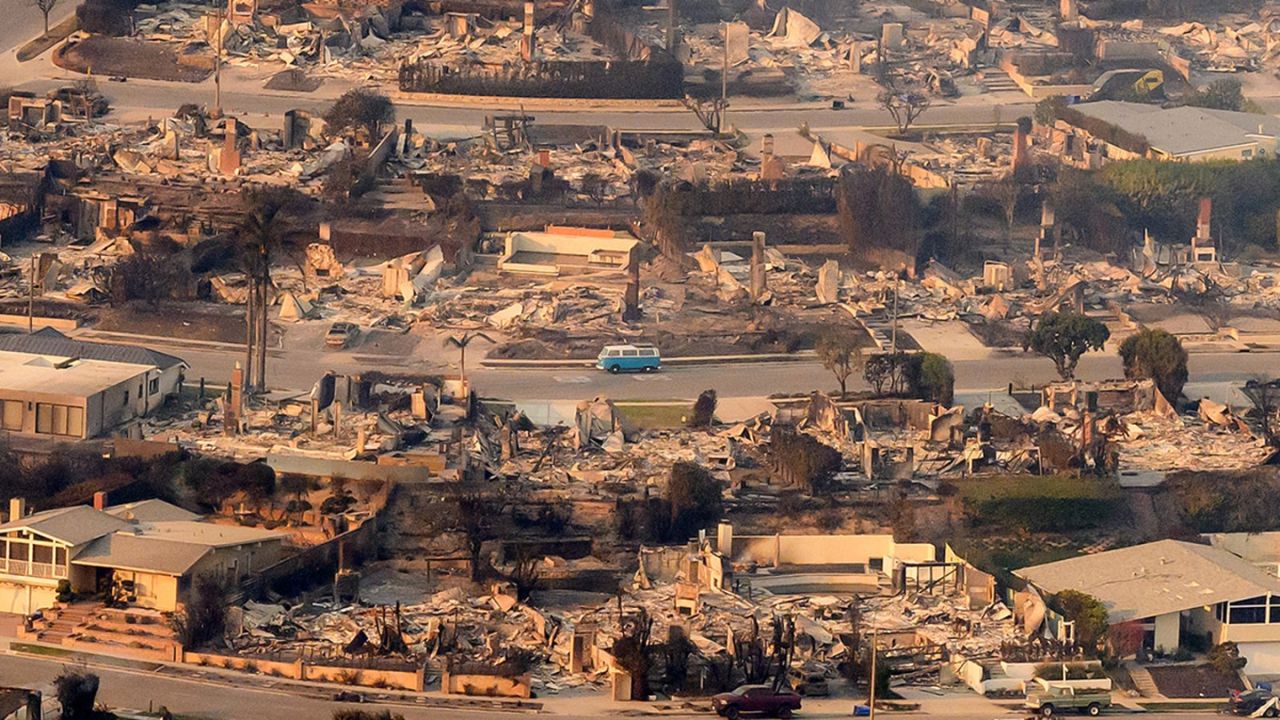
By pushing for policies that strengthen local capacity — like funding for emergency supply caches or improved communication systems — councils help ensure that neighborhoods recover faster after disasters and are better prepared for the next one.
How You Can Get Involved
Every Angeleno can play a role in their neighborhood’s preparedness. Joining or attending your local Neighborhood Council meeting is a powerful first step. Residents can volunteer for planning committees, participate in CERT training, or help update local emergency maps and contact networks.
Even small actions — such as knowing your nearest evacuation route, checking in on a neighbor, or attending a local drill — contribute to a stronger and safer Los Angeles.
Final Thoughts
In a city as diverse and dynamic as Los Angeles, Neighborhood Councils are the backbone of effective emergency planning. They unite residents, connect with city agencies, and create tailored plans that address each area’s specific risks. By fostering collaboration, training, and awareness, these councils help turn neighborhoods into resilient, self-reliant communities.
What do you think? Have you participated in your local Neighborhood Council’s emergency planning efforts? Share your experiences in the comments below and explore more community preparedness resources at BeReadyLA.org.